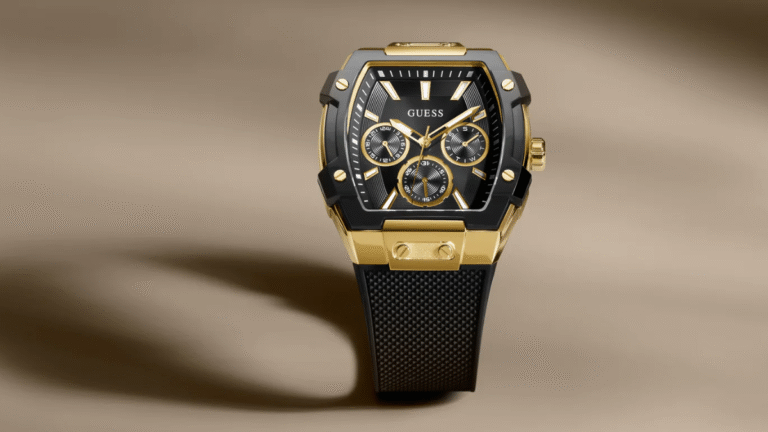

Why Are Chronograph Watches So Expensive in 2026? The Truth Most Buyers Never Hear


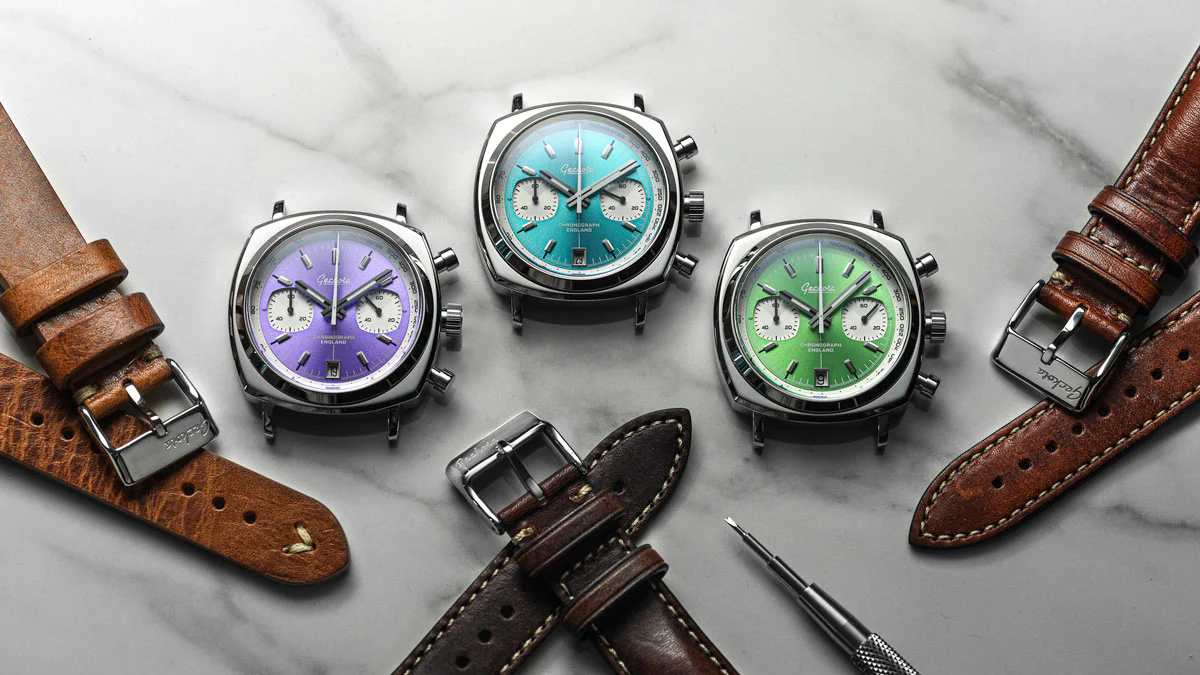
Let me guess. You were comparing watches, saw a clean three-hand watch at a fair price, then clicked on a chronograph version, and the price suddenly jumped. Same brand. Same size. Same style. Higher price. That moment creates confusion for almost every first-time buyer.
The truth is simple but not obvious. Chronograph watches are not just watches with extra buttons. They are mechanically more complex, harder to assemble, and more expensive to maintain. Once you understand what goes on inside, the price difference starts to make sense.
This is why the question of why chronograph watches are so expensive keeps coming up among beginners, budget buyers, and even experienced enthusiasts.
In this guide, I break down the real reasons why chronograph watches are so expensive, without hype or brand fluff. We will talk about mechanics, servicing, materials, and whether paying more actually makes sense for you.
What Is a Chronograph Watch and Why Is It Different?
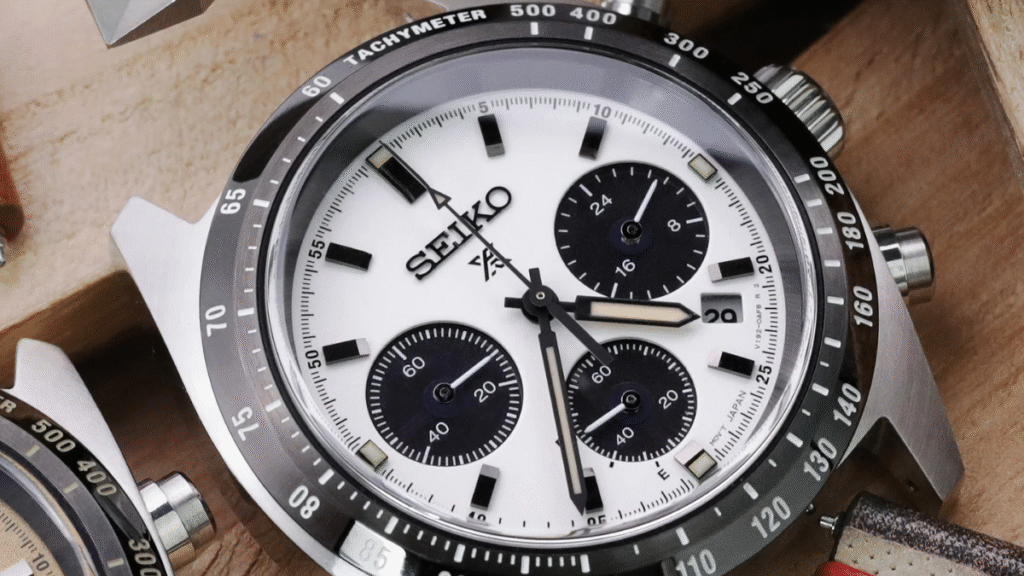
A chronograph watch is both a watch and a stopwatch combined into one movement. It tells the time like any regular watch, but it also measures elapsed time using pushers and subdials.
Here is what makes it different. A normal watch has one job. A chronograph has multiple jobs happening at the same time. When you start the chronograph, extra gears, levers, and clutches engage. When you stop it, they disengage. When you reset, everything snaps back into place perfectly.
That extra function might look simple from the outside, but inside the watch, it is a small mechanical orchestra. This complexity is the foundation of why chronograph watches cost more than regular watches.
Why Are Chronograph Watches So Expensive?

This is the core of the topic, so let us talk honestly.
First, chronograph movements have far more parts. A basic automatic watch might have around 100 to 130 components. A chronograph can easily have 200 to 300 parts. More parts mean more manufacturing time, more quality control, and more chances for error.
Second, assembly is harder. Chronograph movements require skilled watchmakers. Aligning gears, setting tolerances, and ensuring smooth pusher operation is not beginner-level work. Skilled labour costs money, and that cost is passed to you.
Third, regulation takes longer. A chronograph must keep accurate time even when the stopwatch function is running. Balancing accuracy with power reserve and reliability is not easy. Brands spend extra time tuning these movements.
This combination answers the question of why chronograph watches are so expensive better than any marketing slogan ever could.
The Role of Prestige, Heritage, and Brand Value
Now, let us talk about the uncomfortable truth. You are not just paying for mechanics.
Brands like IWC, Omega, Rolex, and even Seiko with higher-end chronographs carry history. Aviation, motorsport, space missions. These stories add emotional value, and brands know it.
When you buy a pilot chronograph or racing chronograph, you are buying into that legacy. For many buyers, that matters. For others, it does not. Neither is wrong.
But this is a big reason why chronograph watches are so expensive, especially from luxury brands. You are paying for reputation, trust, and long-term brand value.
Materials and Design Factors That Push Prices Higher
Chronograph watches are often built tougher than standard watches. Thicker cases are needed to protect the movement. Pushers require seals to maintain water resistance. Sapphire crystals are usually thicker.
Dials are also more complex. Sub dials must be aligned perfectly. Printing must be sharper. Hands must stack correctly without touching. All of this increases production cost.
Even bracelets and straps are often upgraded to match the perceived premium of a chronograph. These design choices quietly push prices higher, even before branding enters the picture.
How Often Do Chronograph Watches Need Servicing?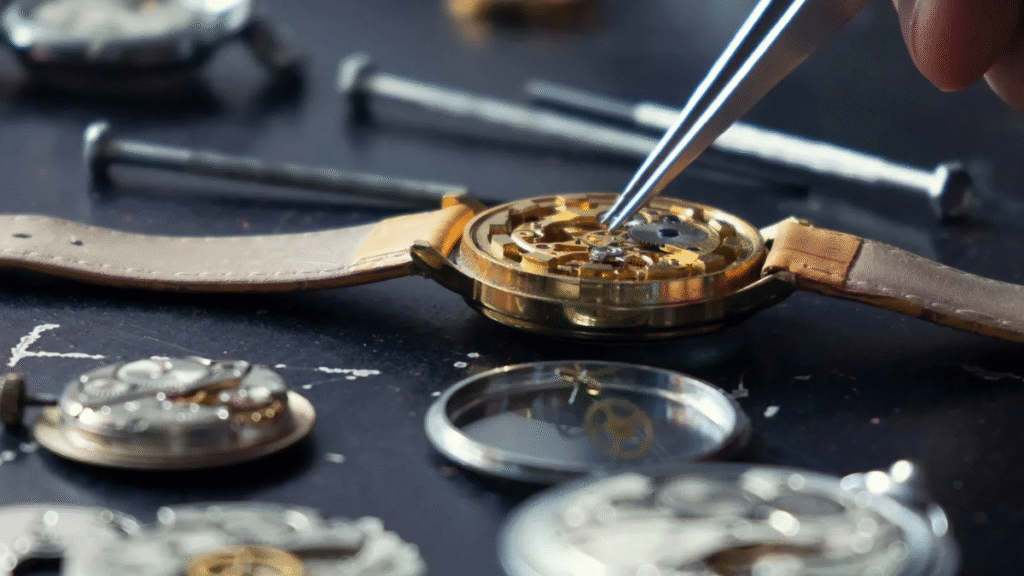
This is where many buyers get surprised.
Chronograph watches usually need servicing more often than simple watches. The extra parts experience more wear, especially if you use the chronograph function regularly.
A standard service interval is around five years, but chronographs may need attention sooner depending on usage. Servicing also costs more because the watchmaker spends more time disassembling, cleaning, and reassembling the movement.
This ongoing cost is a hidden reason why chronograph watches are so expensive in the long run, not just at purchase.
Are Expensive Chronograph Watches Actually Worth It?
Here is the honest answer. It depends on you.
If you love mechanics, enjoy interacting with your watch, and appreciate craftsmanship, a chronograph can feel deeply satisfying. Pressing the pusher and watching everything come alive is something a simple watch cannot replicate.
If you only want to tell time, or if you rarely use the stopwatch function, a chronograph may not be worth the extra cost. Many buyers realise later that they paid for complexity they never use.
The value of an expensive chronograph is emotional as much as practical. Understanding that helps you make a smarter decision.
FAQs
Q1. Why are chronograph watches more expensive than automatic watches?
Because they have more parts, require skilled assembly, and cost more to service.
Q2. Are quartz chronograph watches cheaper?
Yes. Quartz chronographs are simpler mechanically and usually much cheaper, while still offering stopwatch functionality.
Q3. Do chronograph watches break more easily?
Not if well made, but they do have more parts that can wear over time.
Q4. Is a chronograph good for everyday wear?
Yes, but only if you enjoy the function. Otherwise, a simpler watch may be more practical.
Q5. Do luxury chronographs hold value?
Some do, especially from well-known brands, but many are bought for enjoyment rather than investment.
Conclusion
So now you know the real answer to why chronograph watches are so expensive. It is not just about buttons or extra dials. It is about complexity, labour, materials, servicing, and brand power.
The smartest buyers are not the ones who buy the most expensive chronograph. They are the ones who understand what they are paying for and why.