
How to Use a Chronograph Watch in 2026: Simple Guide Most Beginners Get Wrong


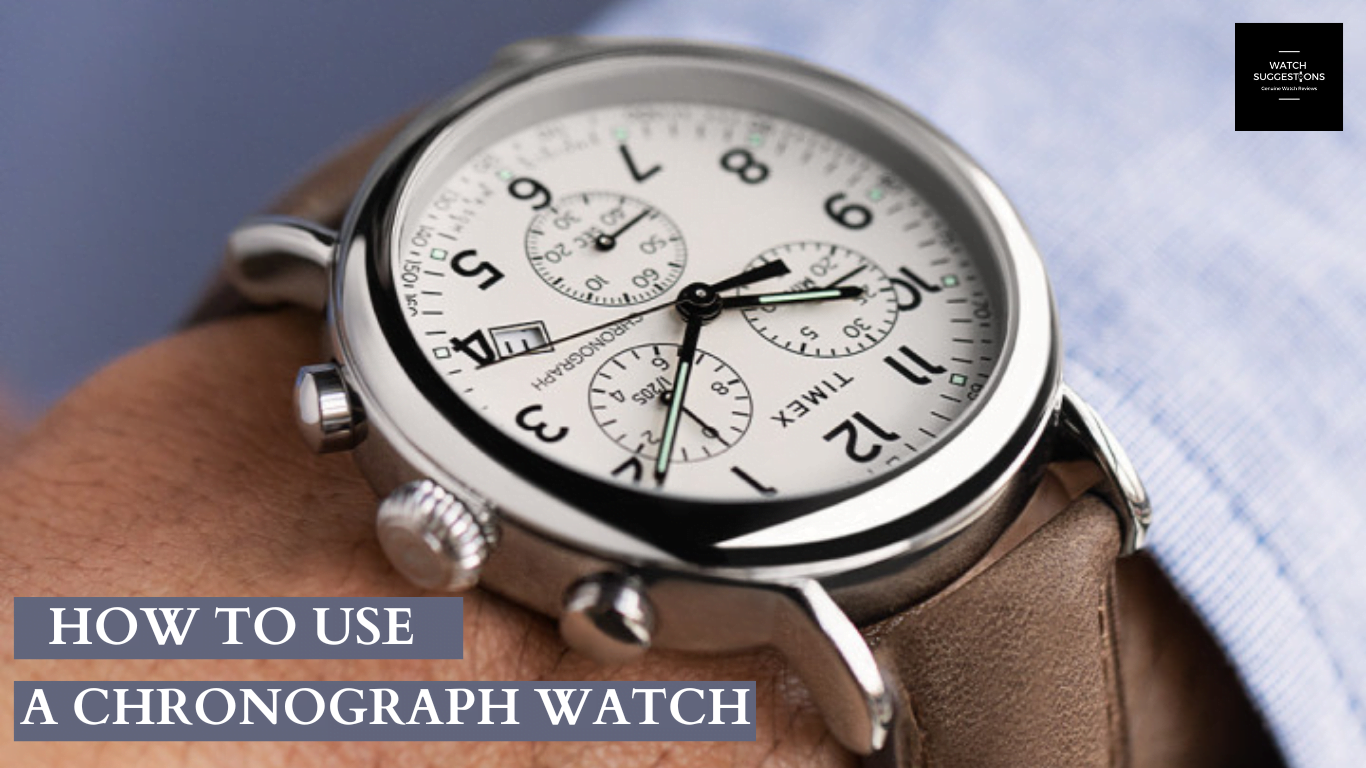
If you have ever looked at a chronograph watch and thought, “This looks cool, but I have no idea how to use it,” you are not alone. In this beginner-friendly guide, I will walk you through how to use a chronograph watch, what those extra buttons actually do, and how features like a tachymeter work in real life.
Introduction
Let me guess. You bought a chronograph because it looked powerful, professional, or just plain cool. But now it feels like you are wearing a cockpit on your wrist.
I have been there. Most people never actually use their chronograph because no one explains it simply. And honestly, watch brands do a terrible job teaching beginners.
The truth is this. Learning how to use a chronograph watch takes five minutes once someone explains it like a human, not a manual. When you understand it, the watch stops being a decoration and starts feeling useful.
Whether you own a Seiko chronograph, dream of an IWC pilot chronograph, or are just comparing analog vs chronograph watches, this guide is for you.
If you are also curious about which chronograph watches for men are highly recommended, I have a dedicated guide that can help you choose your first one.
Understanding the Parts Before You Use a Chronograph Watch
Before pressing anything, let us quickly identify what you are looking at.
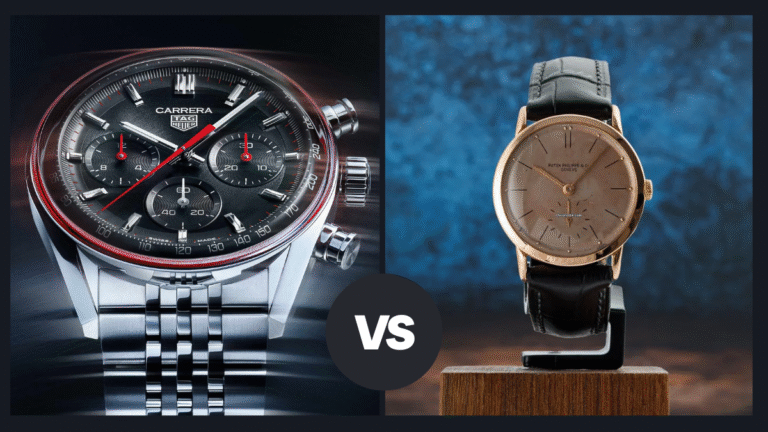
Most chronograph watches have:
- A main time display with hour and minute hands
- A long central seconds hand that stays still until activated
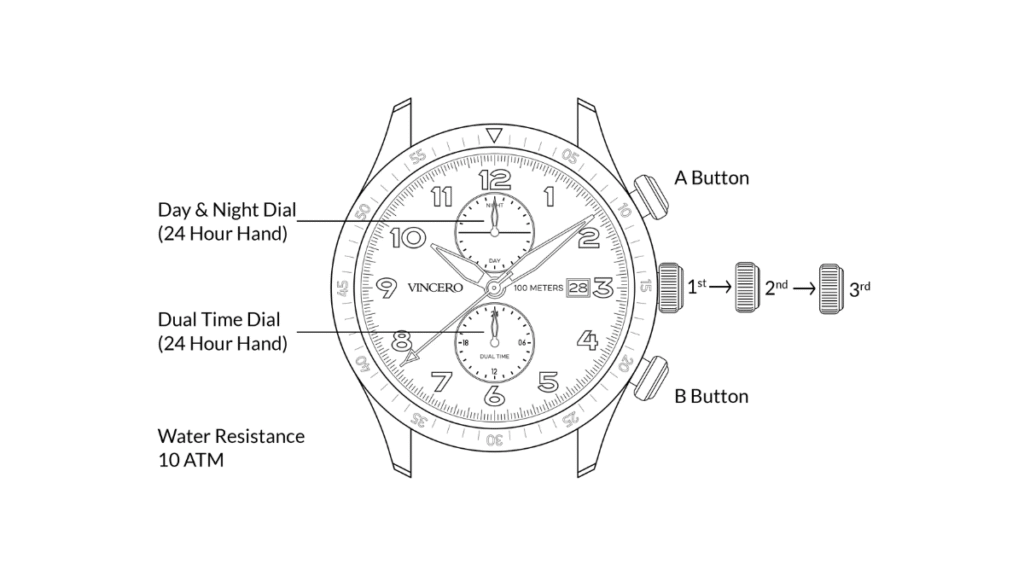
- Two pushers on the right side of the case
- One or more small sub dials
The top pusher usually starts and stops the chronograph. The bottom pusher resets it. If your watch looks slightly different, do not worry. The logic is almost always the same.
How to Use a Chronograph Watch Step by Step

Step 1: Starting the Chronograph Watch
Press the top pusher once. The long central second hand will begin moving. This hand is now measuring elapsed seconds, not regular time. You are officially timing something. You can time anything. A phone call, a meeting, a workout set, cooking pasta, or even how long your coffee takes to brew.
Step 2: Stopping the Chronograph Watch
Press the top pusher again. The second hand stops exactly where it is. The sub dials show how many minutes or hours have passed. This is useful when you want to record a duration without losing the result.
Step 3: Resetting the Chronograph Watch
Press the bottom pusher. All chronograph hands snap back to zero. Now you are ready to time something else. That is the full process. Start, stop, reset. If you remember only this, you already know how to use a chronograph watch better than most owners.
How to Read the Sub Dials on a Chronograph Watch
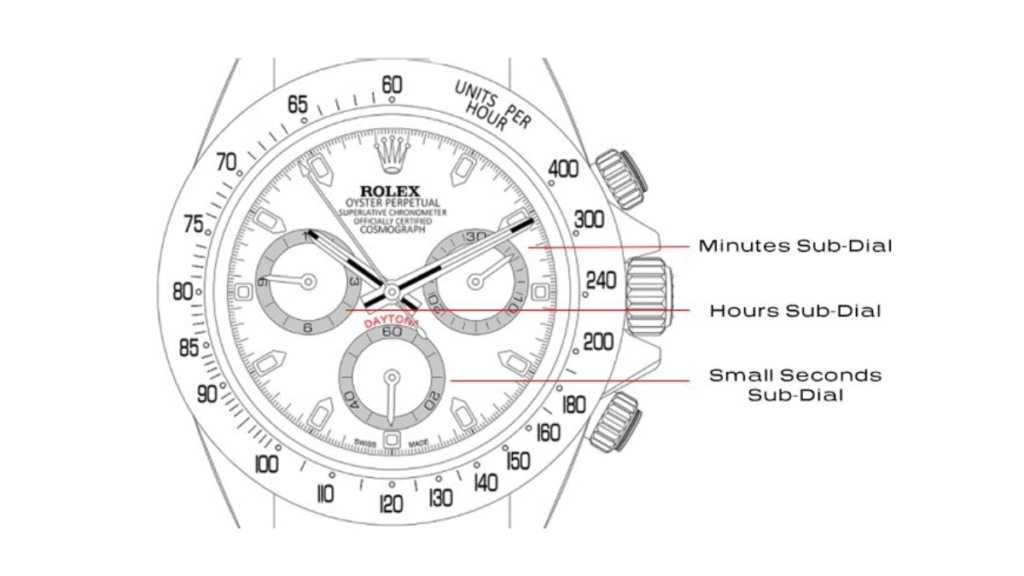
The small sub dials usually track:
- Chronograph minutes
- Chronograph hours
- Running seconds for the normal time
Look closely at your watch. One sub dial will always be moving. That one is usually your regular seconds. The others only move when the chronograph is running. This design prevents confusion between normal time and stopwatch time. Once you notice this, reading a chronograph becomes much less intimidating.
How to Use a Tachymeter on a Chronograph Watch
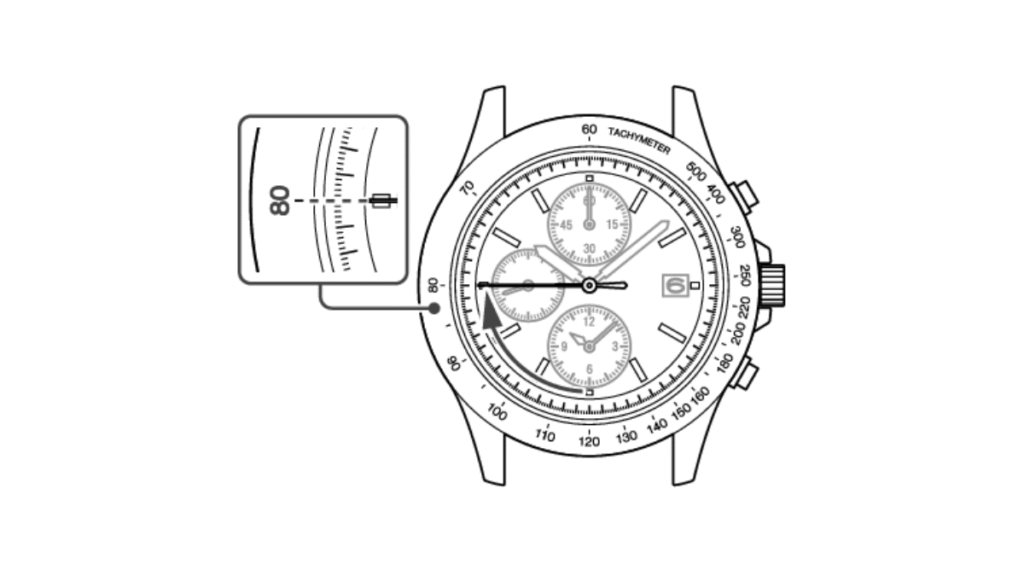
Here is how to use it in real life. Let us say you are travelling in a car and pass a mile marker.
- Start the chronograph at the first marker
- Stop it at the next marker
- Look at where the second hand points on the tachymeter scale
That number shows your speed per hour. You can also use it for production rates. For example, timing how long it takes to complete one task and calculating how many you could do in an hour.
Most people never use the tachymeter. But once you do, it feels like unlocking a hidden feature. And yes, this is still part of knowing how to use a chronograph watch properly.
Common Mistakes Beginners Make With Chronograph Watches
Let me save you from frustration.
The first mistake is leaving the chronograph running all the time. This causes unnecessary wear, especially on mechanical watches.
The second mistake is confusing the running seconds sub dial with the chronograph seconds hand. Remember, the long central hand is the stopwatch.
The third mistake is pressing reset while the chronograph is still running. Always stop first, then reset.
Avoid these, and your chronograph will last longer and feel easier to use.
Why Learning How to Use a Chronograph Watch Is Worth It
Here is something most reviews do not tell you. When you know how to use a chronograph watch, you connect with your watch. It stops being jewellery and becomes a tool.
You start timing meetings, workouts, tasks, and even moments. That connection is why watch enthusiasts love chronographs so much. And once you master one, every other chronograph feels familiar.
FAQs
Can I damage my watch by using the chronograph?
No, as long as you use it correctly and do not reset while it is running.
Is it bad to leave the chronograph running?
It is not ideal for mechanical watches. Use it when needed, then stop and reset.
Do all chronographs work the same way?
Most do. The start, stop, reset logic is very consistent across brands.
Is a chronograph useful for daily life?
Yes. Once you start using it, you will find small everyday uses everywhere.
Should beginners buy a chronograph watch?
Absolutely, if you are curious, just make sure you learn how to use it properly.
Conclusion
Learning how to use a chronograph watch is not about being a watch expert. It is about confidence. Once you understand what each hand and button does, the watch feels alive on your wrist. You stop guessing. You stop ignoring features you paid for.