
Chronograph vs Automatic Watches: The Real Difference Buyers Miss


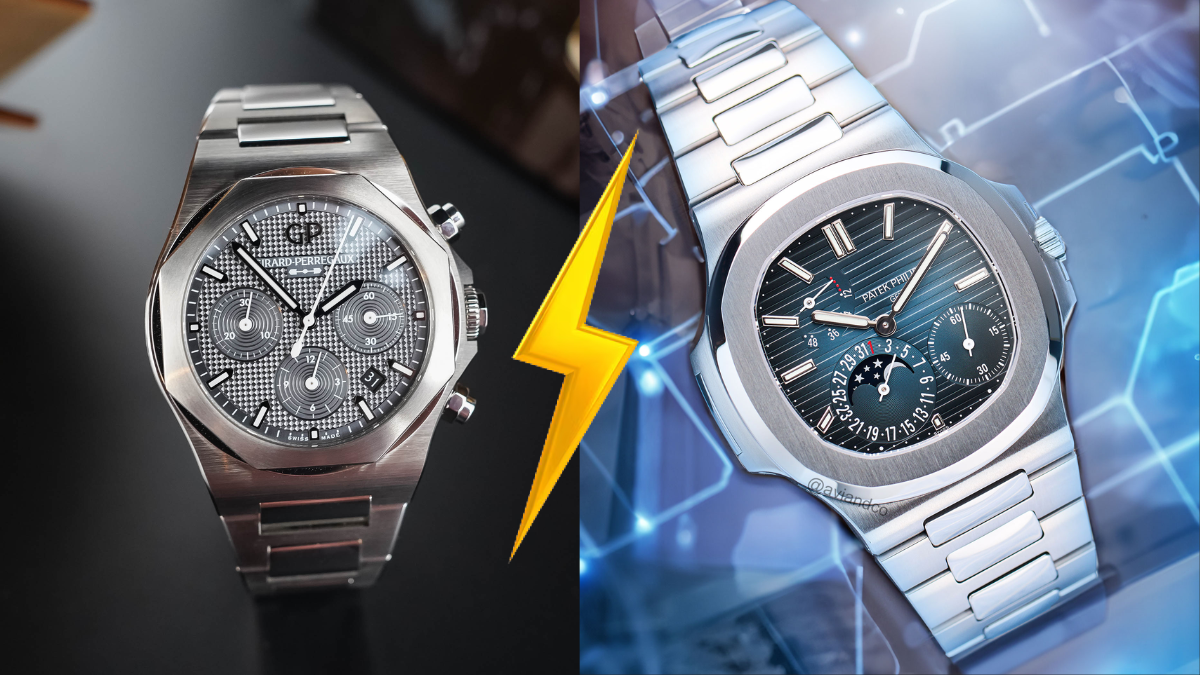
If you are confused between a chronograph watch and an automatic watch, you are not alone. Most first-time buyers mix these two up and end up buying the wrong watch for their lifestyle.
A chronograph is a function (a stopwatch feature), while automatic refers to how a watch is powered (self-winding mechanical movement). Some watches are automatic, some are chronographs, and some are automatic chronographs that combine both.
If you are completely new to stopwatch functions, this beginner-friendly guide on how to use a chronograph watch in real life explains what those buttons and subdials actually do.
In this guide, I break down the real difference between chronograph vs automatic watches using simple language, real examples, and honest buying advice.
Introduction
Let me guess. You saw a watch with extra dials and buttons and thought, That looks cool, must be better. Or maybe someone told you automatic watches are superior because they do not need batteries. Both ideas are only half true.
The confusion around chronograph vs automatic watches comes from one simple mistake. People think these are opposite types of watches. They are not. One describes how a watch works. The other describes what a watch can do.
If you are a beginner, this distinction matters more than brand names or price tags. Choosing wrong can mean higher servicing costs, unused features, or a watch that feels annoying after the excitement fades.
By the end of this guide, you will know exactly which one fits you and why.
What Is an Automatic Watch?
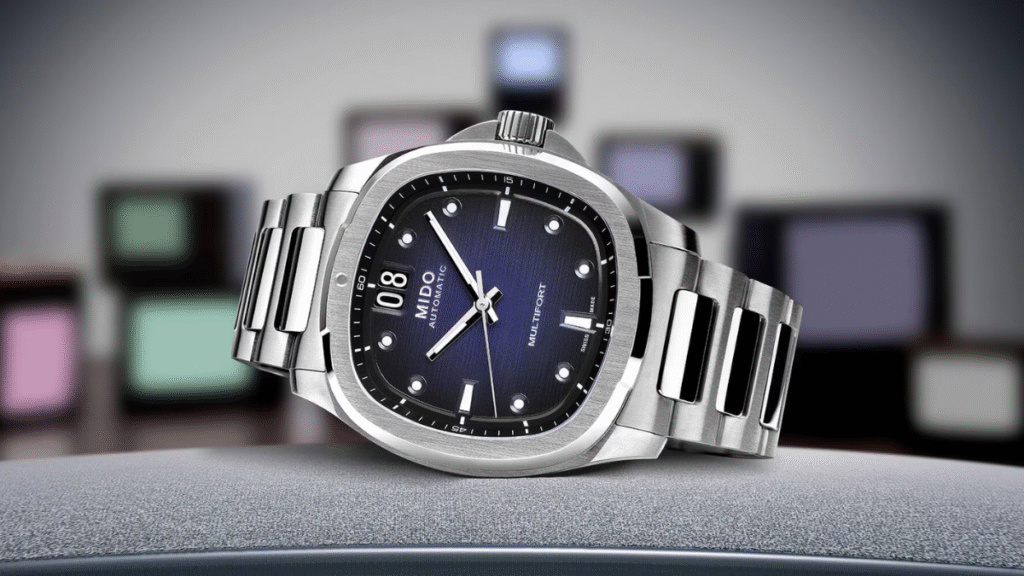
An automatic watch (also called a self-winding watch) is powered by your wrist movement. Instead of a battery, it uses your wrist movement to wind itself. Inside the watch, there is a small rotor that spins. As your wrist moves during the day, the rotor spins and winds the mainspring, storing energy that powers the watch.

For many buyers, automatic watches feel more emotional. You are literally wearing a tiny machine powered by you. No charging cables. No batteries. Just gears doing their thing.
Automatic watches are loved by office professionals, watch enthusiasts, and people who want a clean everyday watch. Brands like Seiko, Tissot, Hamilton, and Rolex made automatic watches mainstream for a reason. They are reliable, long-lasting, and feel personal.
But here is the honest part. Automatic watches need servicing every few years. They can stop if not worn regularly. They are not always more accurate than quartz. You choose automatic for the experience, not convenience.
What Is a Chronograph Watch?
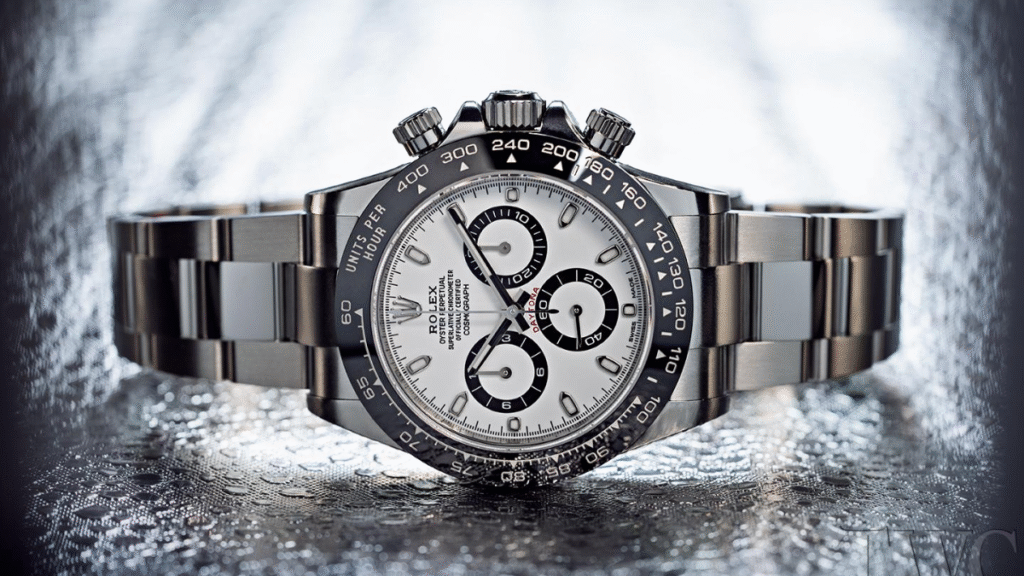
A chronograph watch is a watch with a built-in stopwatch function. You’ll recognise a chronograph by the extra subdials on the face and pushers on the side of the case.
A chronograph watch is about function, not power. Those extra subdials you see measure seconds, minutes, and sometimes hours when you activate the pushers.
Chronographs are popular because they look busy, sporty, and professional. Pilots, racers, and engineers historically used chronographs for timing tasks. Today, many people buy them simply because they look cool.
In fact, many modern chronographs are designed specifically for everyday style, which is why this curated list of chronograph watches for men that balance looks and function is so popular with first-time buyers.
Chronograph watches can be quartz or automatic. This is where most confusion starts. A Seiko quartz chronograph and an IWC pilot chronograph do the same job but feel completely different on the wrist and in ownership.
Chronographs add complexity. More parts mean thicker cases, higher servicing costs for mechanical versions, and sometimes lower water resistance.
Chronograph vs Automatic Watches
Now, let us clear the fog properly.
An automatic watch describes the movement. A chronograph describes a complication. That means a watch can be automatic without being a chronograph, and a chronograph can be automatic or quartz.
Here are the real-world differences you should care about.
Automatic-only watches are usually simpler, thinner, and easier to live with daily. Chronograph watches are more interactive but also more complex.
Automatic watches focus on timekeeping purity. Chronograph watches focus on utility and visual impact.
From a servicing perspective, automatic chronographs are the most expensive to maintain. Quartz chronographs are the cheapest. Plain automatic watches sit comfortably in the middle.
If you like clean dials, comfort, and long-term ownership, automatic watches often win. If you like engaging with your watch, pressing buttons, and timing things, even if rarely, chronographs scratch that itch.
What Is an Automatic Chronograph Watch?
This is where watch enthusiasm meets wallet pain.
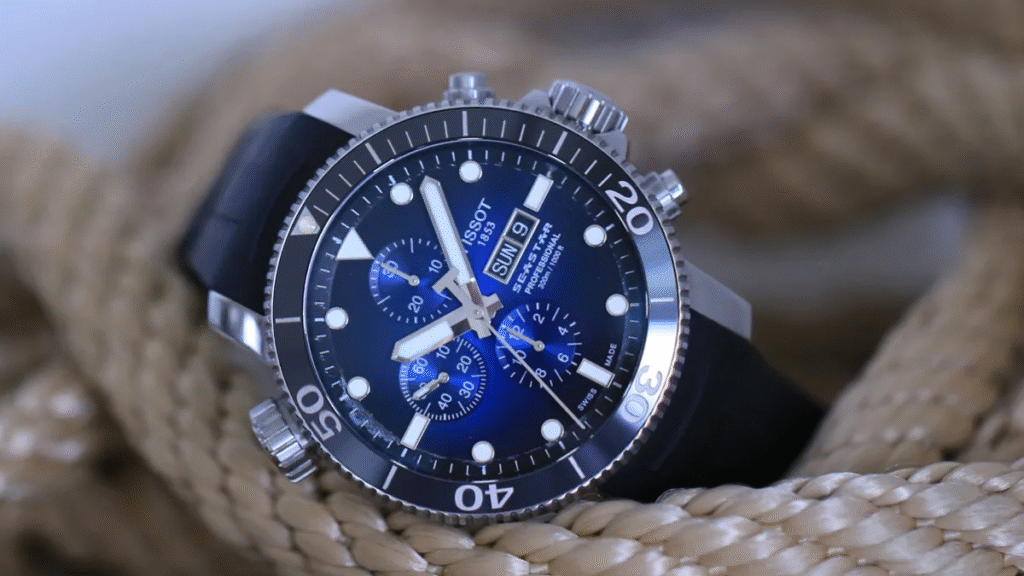
An automatic chronograph watch combines both concepts. It winds itself and includes a stopwatch function. This is considered one of the most complex mainstream watch types.
Examples include the Omega Speedmaster Automatic, IWC Pilot Chronograph, and many high-end Seiko chronographs. They are thicker, heavier, and mechanically impressive.
Why do people love them? Because they represent serious watchmaking. Why do some regret buying them? Because servicing costs are higher, and the chronograph is rarely used.
If you love mechanics and want a watch that feels alive on the wrist, automatic chronographs are deeply satisfying. If you want low maintenance, this might not be your first pick.
Are Chronograph Watches Automatic?
Some are. Some are not. This is the key takeaway most buyers miss. Chronograph watches can be quartz, automatic, or manual wind. The chronograph function itself has nothing to do with how the watch is powered.
A Seiko quartz chronograph is extremely accurate, affordable, and low-maintenance. An automatic chronograph from a Swiss brand is a mechanical art but costs more to buy and maintain.
So when comparing chronograph vs automatic watches, always ask two questions. Does this watch have a chronograph function? And how is it powered?
Once you separate those ideas, everything becomes clearer.
Which Is Better: a Chronograph or an Automatic Watch?
Here is the honest answer. Neither is better. One is better for you. This depends on what you want from your watch.
IFor clean everyday wear in the office, during meetings, and over long-term ownership, a simple automatic watch without a chronograph is hard to beat.
Those who prefer visual presence, a sportier feel, and hands-on interaction will likely enjoy a chronograph more.
If you are budget-conscious, quartz chronographs offer incredible value. If you want emotional ownership and craftsmanship, automatic watches win.
Ask yourself this. Will you actually use the chronograph function? Or do you just like how it looks? There is no wrong answer, but being honest saves money and regret.
FAQs
Is an automatic watch better than a chronograph?
No. Automatic describes a power source. Chronograph describes a function. They are not competitors.
Do chronograph watches need more servicing?
Mechanical chronographs do. Quartz chronographs are very low-maintenance.
Are chronograph watches good for daily wear?
Yes, but they are usually thicker and heavier than simple automatic watches.
Which is better for beginners?
Most beginners are happier with a simple automatic watch or a quartz chronograph.
Why are automatic chronographs expensive?
They have more parts, more complexity, and require skilled servicing.
Conclusion
If you remember only one thing, remember this. Chronograph vs automatic watches is not a battle. It is a misunderstanding. The debate between chronograph vs automatic watches isn’t about which is superior; it’s about what suits your lifestyle and taste.
Automatic is about how your watch lives. Chronograph is about what your watch can do.
If you love mechanical tradition and simplicity, an automatic watch is a timeless choice. If you want sporty functionality and visual impact, a chronograph delivers. And if you want the ultimate blend of engineering and utility, an automatic chronograph is hard to beat.
Once you understand that, choosing becomes easy. Buy the watch that fits your habits, not your imagination. Watches are personal. The best one is the one you enjoy wearing every single day.