Chronograph Watch Explained 2026: Secrets, Uses, Pros, Cons & Buying Truths You Must Know

 A chronograph watch is more than just a stylish timepiece. It is a watch with a built-in stopwatch that helps you measure time precisely, whether you are tracking workouts, travel, work tasks, or daily routines.
A chronograph watch looks serious. It feels professional. But most first-time buyers feel a little intimidated by it. I have been there too. The good news is this. Once you understand the basics, a chronograph watch becomes one of the most satisfying watches you can own.
At its core, a chronograph watch is simply a watch that tells time and measures elapsed time at the same time. Think of it as wearing a stopwatch on your wrist without losing the elegance of a traditional watch. If you are still comparing designs, this detailed breakdown of analog vs chronograph watches makes the difference very clear.
In this guide, I am going to walk with you step by step. No technical overload. No confusing jargon. Just real explanations, real examples, and real advice so you can decide if a chronograph watch belongs on your wrist.
What Is a Chronograph Watch?
A chronograph watch is a timepiece that combines a standard clock with a stopwatch function. That is the cleanest definition.
When people hear chronograph watches, they often imagine something complicated. But in reality, the idea is simple. You press a button, and time starts. Again, you press it, time stops. You reset when you are done.
To truly understand what a chronograph watch is, you need to know its main parts.
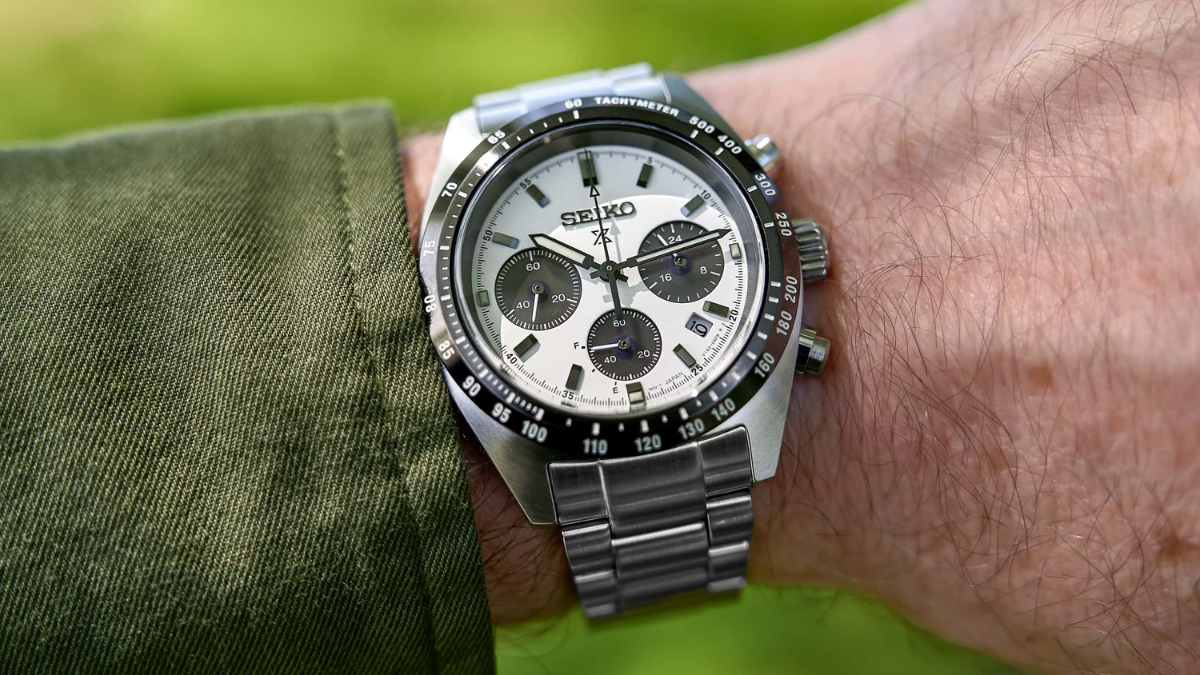
The pushers are the buttons on the side of the watch. Usually, there are two. The top one starts and stops the timing. The bottom one resets it.
The central chronograph’s seconds hand is different from the regular seconds hand. It only moves when you activate the chronograph.
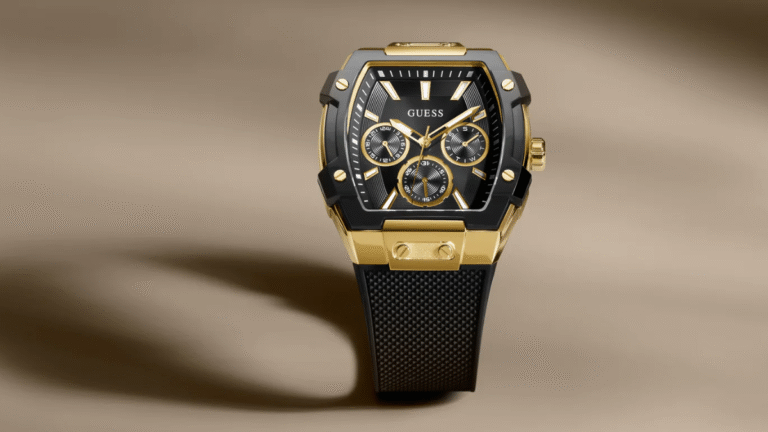
The sub-dials are the smaller circles on the watch face. They record elapsed minutes and hours.
Once you recognise these parts, every chronograph watch starts to look familiar. What once felt confusing suddenly feels logical.
What Are Chronograph Watches Used For?
One of the biggest myths is that chronograph watches are only for professionals. That is not true at all.
Everyday
I use my chronograph watch almost daily, and not for anything dramatic. I’m in a hurry to cook. I track focused work sessions. I measure how long meetings actually last. Chronograph watches fit naturally into everyday life once you start paying attention. If you want a hands-on walkthrough, this guide on how to use a chronograph watch explains everyday use in simple steps.
Sports and Fitness
Runners’ time laps. Cyclists track intervals. Gym users measure rest periods. A chronograph watch makes fitness feel structured and intentional.
Travel and Aviation
Pilots originally relied on chronograph watches to calculate fuel usage and flight duration. Today, travellers use them to track flight time or layovers.
Motorsports and Professional Timing
This is where chronograph watches gained their legendary status. Timing laps, measuring speed, and tracking performance all happen with precision.
The surprising part is this. Once you own a chronograph watch, you start finding reasons to use it without even trying.
How Does a Chronograph Watch Work?
If you are wondering how a chronograph watch works, let me simplify it.
A chronograph watch has two systems inside. One system tells time like any normal watch. The second system measures elapsed time when you activate it.
Here is how it works in real life.
You press the top button, called the pusher. This starts the chronograph. A separate hand, usually the long seconds hand in the center, begins moving. This hand is not the regular seconds hand. It belongs only to the stopwatch function.
Inside the watch, a clutch mechanism engages. This connects the chronograph gears to the main movement. Think of it like shifting gears in a car. The watch decides when to connect and when to disconnect the stopwatch function.
When you press the top button again, the chronograph stops. The hand freezes, showing how much time has passed. Pressing the bottom button resets everything back to zero.
This simple action is why people fall in love with chronographs. You are not just wearing a watch. You are interacting with it. . If you are confused between movements, this comparison of chronograph vs automatic watches will help you decide what suits your lifestyle better.
How to Read a Chronograph Watch
Every chronograph watch is still a normal analog watch at its core. The main hour and minute hands tell you the current time. That part never changes, whether the chronograph is running or not.
Here is where beginners get confused. The long central hand that looks like a second hand is often not for normal seconds. On most chronographs, that central long hand is the chronograph seconds hand, not the regular seconds.
Your regular running seconds are usually shown on one of the small subdials. If you ever thought your watch stopped because the big second hand was not moving, now you know why.
So step one in learning how to read a chronograph watch is knowing which hands tell normal time and which belong to the stopwatch function.
How to Read a Chronograph Watch Subdials
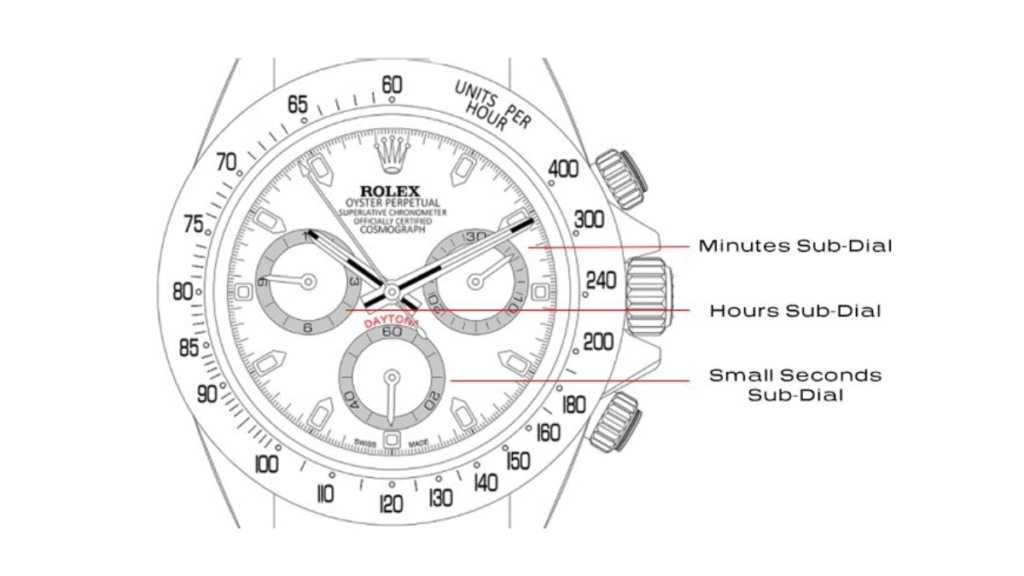
This is where most people feel overwhelmed, so let us slow it down.
Chronograph Seconds Subdial
On many watches, the chronograph seconds are shown by the large central hand. It moves smoothly or in ticks, depending on whether the watch is mechanical or quartz. This hand counts seconds only when the chronograph is running. It does nothing otherwise. When it completes one full circle, one minute has passed.
Chronograph Minute Counter Subdial
Usually located at 9 or 12 o’clock, this subdial counts chronograph minutes. Think of it like the minute counter on a stopwatch. If you are timing a phone call, cooking, or a short meeting, this is the subdial you will read most. For beginners learning how to read a chronograph watch, this is the most useful complication after seconds.
Chronograph Hour Counter Subdial
Some chronographs have a third subdial that counts hours, usually up to 12. This is useful for long events, flights, or extended tasks. Many people never use it, but once you do, you appreciate having it. Not all chronographs include this. If yours does not, that is normal.
How to Set a Chronograph Watch
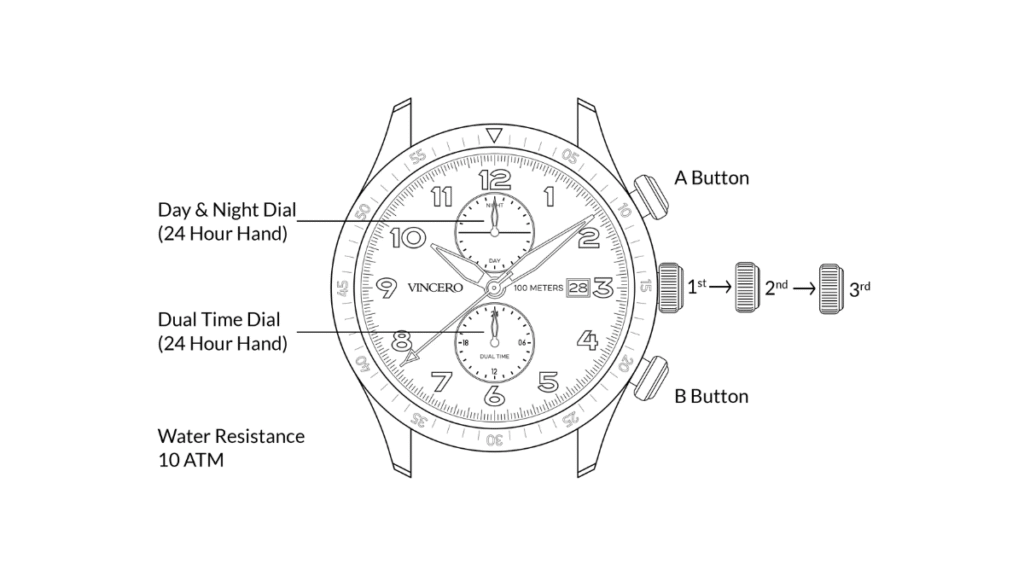
Now, let us get into the actual steps. This works for most analog chronograph watches.
Step 1: Pull the Crown to Set the Time
Pull the crown gently to the time-setting position. Rotate it to set the correct time. Always move the hands forward, not backwards, if possible. This reduces stress on the movement. If your watch has a date, make sure you are not setting the time during the date change window. That usually happens between 9 PM and 3 AM. Push the crown back in once the time is correct.
Step 2: Check the Chronograph Hands Alignment
Look at the large seconds hand used for the stopwatch. It should point exactly at 12 when reset. The same goes for the smaller chronograph sub-dials. If everything lines up, great. You are done. If not, keep reading because this is where most beginners get confused.
Once your chronograph is set, using it is simple. Press the top pusher to start timing. Again, press it to stop. Press the bottom pusher to reset. Do not reset while it is running. Always stop first. This is not optional. It protects the internal gears. Think of the chronograph like a stopwatch with mechanical rules. Treat it gently, and it will last decades.
Are Chronograph Watches Automatic?
This is a very common question. Some chronograph watches are automatic. Some are not.
An automatic chronograph is powered by wrist movement. It does not need a battery. A quartz chronograph is powered by a battery. Neither is better in all cases. Automatic chronographs appeal to enthusiasts who love mechanical craftsmanship. Quartz chronographs appeal to those who value accuracy and convenience. Knowing this helps you choose based on lifestyle, not hype.
Understanding this difference also explains why some chronograph watches are so expensive, especially in the luxury segment.
Do Chronograph Watches Need Batteries?
Quartz chronograph watches need batteries. Usually, they last two to three years. Automatic chronograph watches do not need batteries, but they need movement. If you do not wear them, they stop. This is not a flaw. It is part of their charm. Understanding this saves you from unnecessary worry when your watch stops.
Can a Chronograph Watch Be an Everyday Watch?
Yes, a chronograph watch can absolutely be an everyday watch. Modern chronograph watches are designed for daily wear. They are durable, reliable, and stylish. They pair well with casual clothes, business wear, and even formal outfits if designed cleanly. The only thing to consider is size. Chronograph watches tend to be slightly larger. If you like the presence on your wrist, you will love it.
If you are looking for premium options, this expert-curated list of luxury chronograph watches for men in 2026 is worth exploring.
Pros and Cons of Chronograph Watches
Pros
- Chronograph watches offer multiple functions in one watch.
- They look bold, confident, and purposeful.
- They feel premium and thoughtful, making them excellent gifts.
Cons
- They are more complex than simple watches.
- They can feel heavy for those who prefer minimalism.
- They require a small learning curve.
For most people, the benefits easily outweigh the drawbacks.
Frequently Asked Questions
Is a chronograph watch good for beginners?
Yes. Once you learn the basics, it becomes intuitive and enjoyable.
Are chronograph watches expensive?
They range from affordable to luxury. There is an option for every budget.
Do chronograph watches break easily?
No. They are built for precision and durability.
Can I ignore the chronograph function?
Absolutely. Many people buy chronograph watches for the design alone.
Is a chronograph watch a good gift?
Yes. It feels personal, useful, and premium.
Conclusion
A chronograph watch is not just about measuring time. It is about how you experience time. It gives you control, awareness, and confidence every time you look at your wrist.
Whether you are buying your first watch, upgrading your collection, or choosing a meaningful gift, a chronograph watch offers value beyond looks.
Now I want to hear from you. Do you see yourself using the chronograph feature daily, or do you love the design more? That answer alone can guide your next decision.