Analog vs Chronograph Watches: Which One Should You Really Buy First?

Let me guess. You are shopping for a watch, scrolling online, and suddenly you hit this wall. Analoge vs. chronograph watches. One looks clean and simple. The other looks technical and powerful. Both say analoge on the listing. So which one is actually right for you?
This confusion exists because chronograph watches are also analog watches. That is where most beginners get stuck. Not every analog watch is a chronograph, but every chronograph is technically analog. Sounds messy, right?
I have seen many buyers regret their first watch choice simply because they did not understand how these two types fit into daily life. Some bought a chronograph and never used the stopwatch. Others bought a simple analog watch and later wished they had more functions.
This guide is here to stop that regret before it starts. In this guide, I break it down so you can decide what actually fits your lifestyle, not just what looks cool. If you are specifically interested in feature-rich options, you can also explore some of the best chronograph watches for men to see how they differ in real-world use.
What is an Analog Watch?
When we talk about analog watches, we are talking about the most traditional form of timekeeping. Hour hand, minute hand, sometimes a seconds hand. That is it.
In daily life, analog watches shine because they are effortless. You glance, you know the time. No buttons, no sub dials, no learning curve. That simplicity is exactly why analog watches are still the top choice for office wear, formal events, and everyday use.
For beginners, analog watches feel natural. They are lighter, easier to read, and usually cheaper to maintain. Fewer moving parts means fewer things to service or break.
If you want a watch that quietly fits into your routine without asking for attention, analog watches do that better than anything else.
What Makes Chronograph Watches Different From Analog Watches
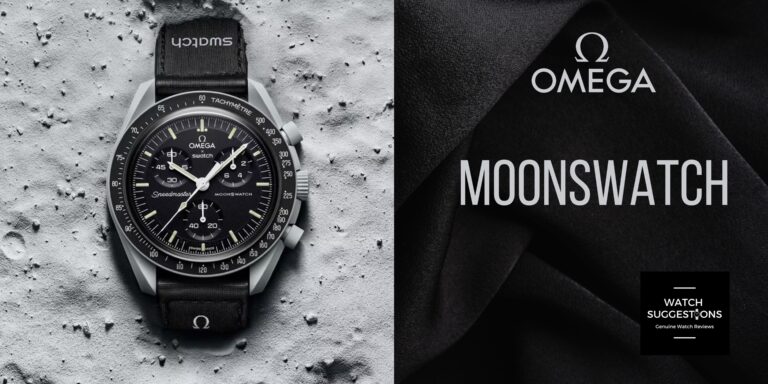
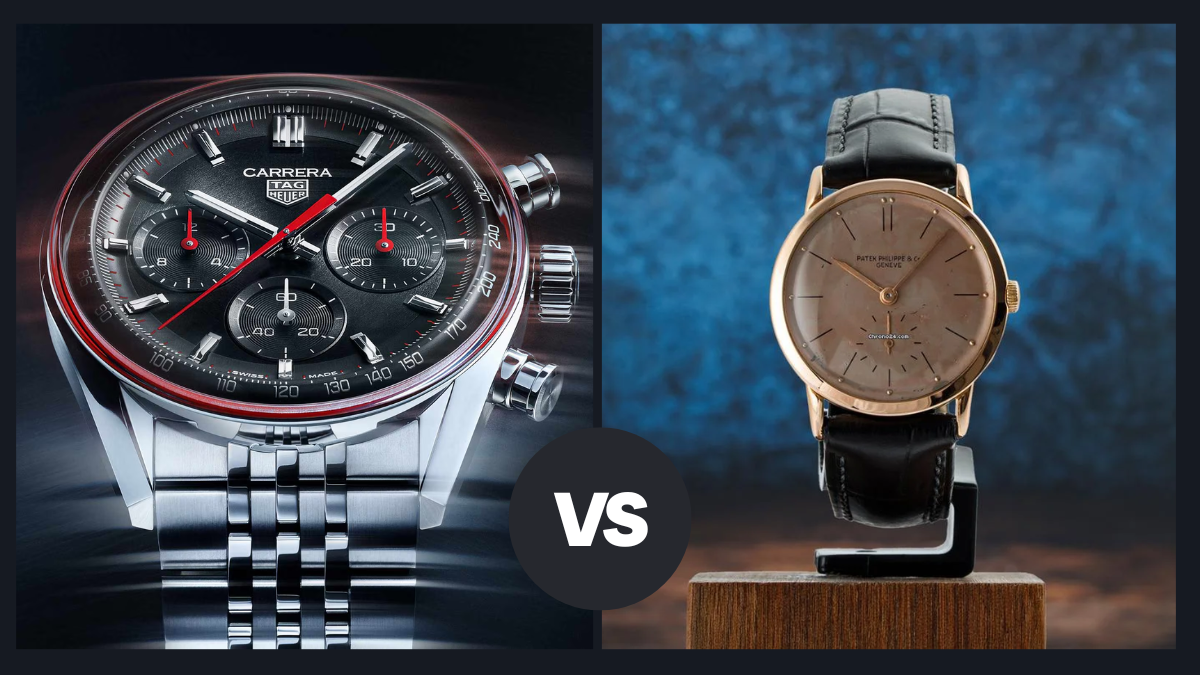
A chronograph watch adds a stopwatch function on top of the regular analog display. Those small subdials you see are timers. The pushers on the side control start, stop, and reset. If you have never used one before, this step-by-step guide on how to use a chronograph watch makes it very easy to understand.
In the analog vs chronograph watches debate, this is the key difference. Chronographs are tools. They measure time intervals. That could be timing a meeting, a workout, cooking, or even tracking tasks during the workday.
Chronographs look more complex because they are. More parts, more engineering, more visual detail. That complexity attracts watch enthusiasts and people who enjoy mechanical interaction.
But here is the honest truth. Many chronograph owners never use the chronograph function after the first week. They buy it for the look and presence, not the function.
Analog vs Chronograph Watches for Beginners
If this is your first real watch purchase, this section matters most.
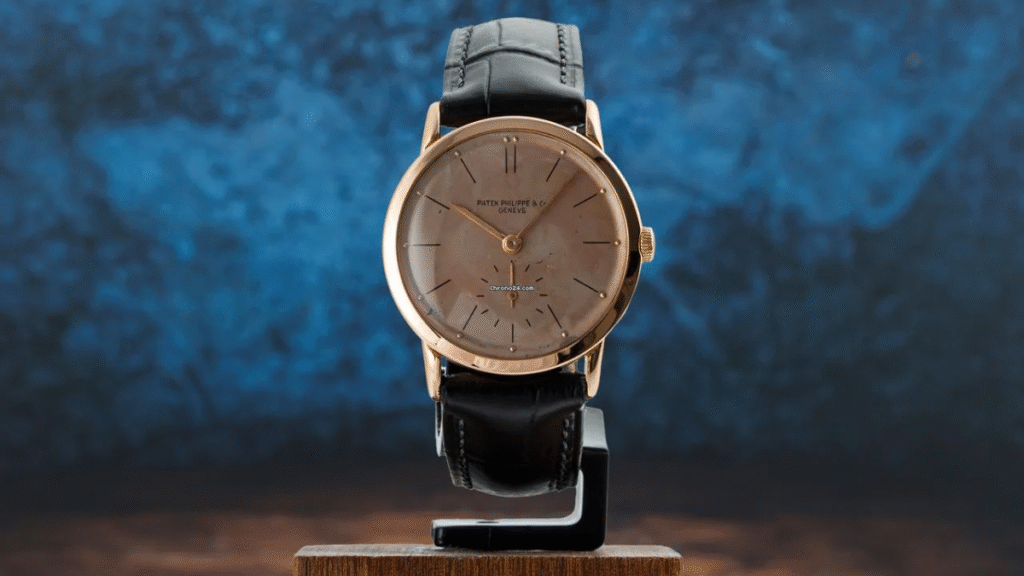
Analog watches are beginner-friendly. You put it on and forget about it. That makes them perfect for students, office professionals, and anyone who just wants reliable timekeeping.
Chronograph watches require a bit of learning. You need to understand how to reset the hands properly and how the sub dials work. It is not difficult, but it is an extra step.
In the analog vs chronograph watches choice for beginners, I usually say this. If you love clean design and ease, go analog. If you love detail, mechanics, and interaction, a chronograph will excite you more.
Everyday Wear: Analog vs Chronograph Watches
Think about your daily routine. This is where the decision becomes clear.
Analog watches win for comfort. They are usually slimmer and lighter. They slide under cuffs easily and work well in professional settings.
Chronograph watches feel bolder on the wrist. They have more presence. For casual outfits, weekend wear, or sporty looks, chronographs often stand out more.
If your watch needs to work in meetings, weddings, and daily office wear, analog watches feel safer. If you want your watch to be noticed and talked about, chronographs do that naturally.
Price, Value, and Servicing Differences
Here is a part that many buyers ignore until it is too late.
Analog watches are cheaper to service. Fewer parts mean lower maintenance costs. This matters if you are budget-conscious or buying your first mechanical watch.
Chronograph watches cost more to buy and more to maintain. Servicing a mechanical chronograph is more complex and often more expensive. This is especially noticeable when comparing chronograph vs automatic watches, where movement complexity plays a big role in long-term costs.
In the analog vs chronograph watches value discussion, analog watches win for long-term simplicity. Chronographs win for perceived value and visual complexity.
Neither is wrong. It depends on how much you want to invest beyond the purchase price.
Style and Personality: What Your Watch Says About You
Watches talk even when you do not.
Analog watches say you value clarity, tradition, and understatement. They fit professionals, minimalists, and people who like timeless design.
Chronograph watches say you like function, detail, and a bit of drama. Pilots, engineers, motorsport fans, and hobbyists naturally gravitate toward them.
This is why the analog vs chronograph watches debate is also emotional. It is not just about features. It is about identity.
Analog vs Chronograph Watches: Which One Should You Choose
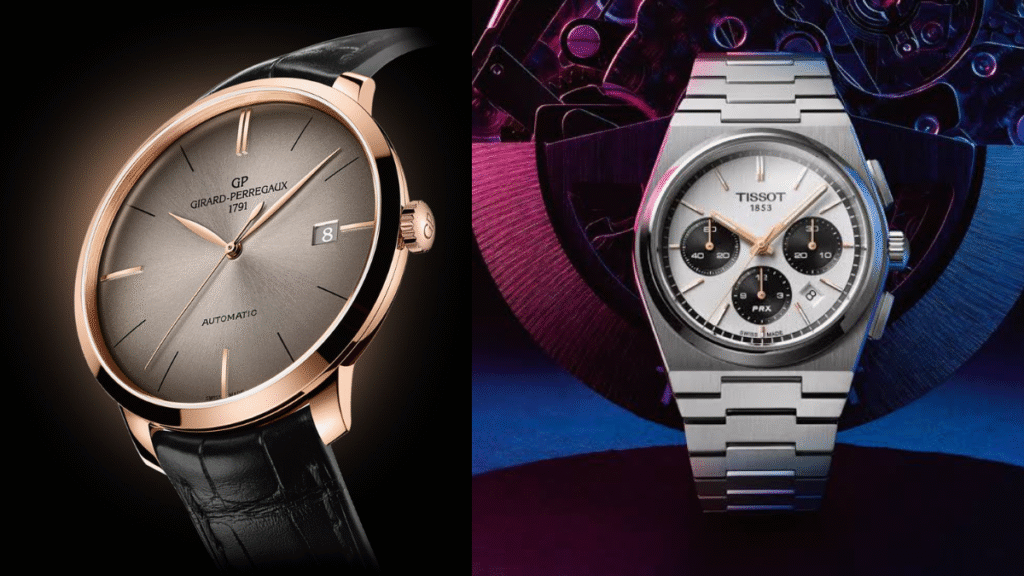
Let me simplify this decision for you.
Choose an analog watch if you want something easy, elegant, and stress-free. Choose a chronograph watch if you enjoy interacting with your watch and appreciate mechanical complexity.
If you are still unsure, start with an analog watch. You can always add a chronograph later. Many collectors do exactly that.
FAQs
Q1. Is a chronograph better than an analog watch?
Not better, just different. Chronographs offer more functions. Analog watches offer simplicity.
Q2. Are chronograph watches harder to use?
They require a small learning curve, but most people understand them quickly.
Q3. Which lasts longer, analog or chronograph watches?
Analoge or chronograph watches can both last decades. Analog watches usually cost less to maintain.
Q4. Are chronographs good for office wear?
Yes, chronograph watches are good for office wear, but choose a cleaner design. Some chronographs are very sporty.
Q5. Should beginners avoid chronographs?
No, beginners should not avoid chronograph watches, but beginners should understand what they are buying and why.
Conclusion
Here is the truth most guides will not tell you. There is no winner in the analog vs chronograph watches debate.
The right choice depends on how you live, how you dress, and how you feel when you look at your wrist.
If you want calm, clarity, and tradition, analog watches will make you happy every day. If you want engagement, detail, and mechanical charm, chronograph watches will keep you interested long after the honeymoon phase.
Before you buy, ask yourself one simple question. Do I want my watch to quietly serve me, or do I want it to entertain me?
Answer that honestly, and you already know which one to choose.