IWC Turns the Portugieser Black — And Collectors Should Pay Attention

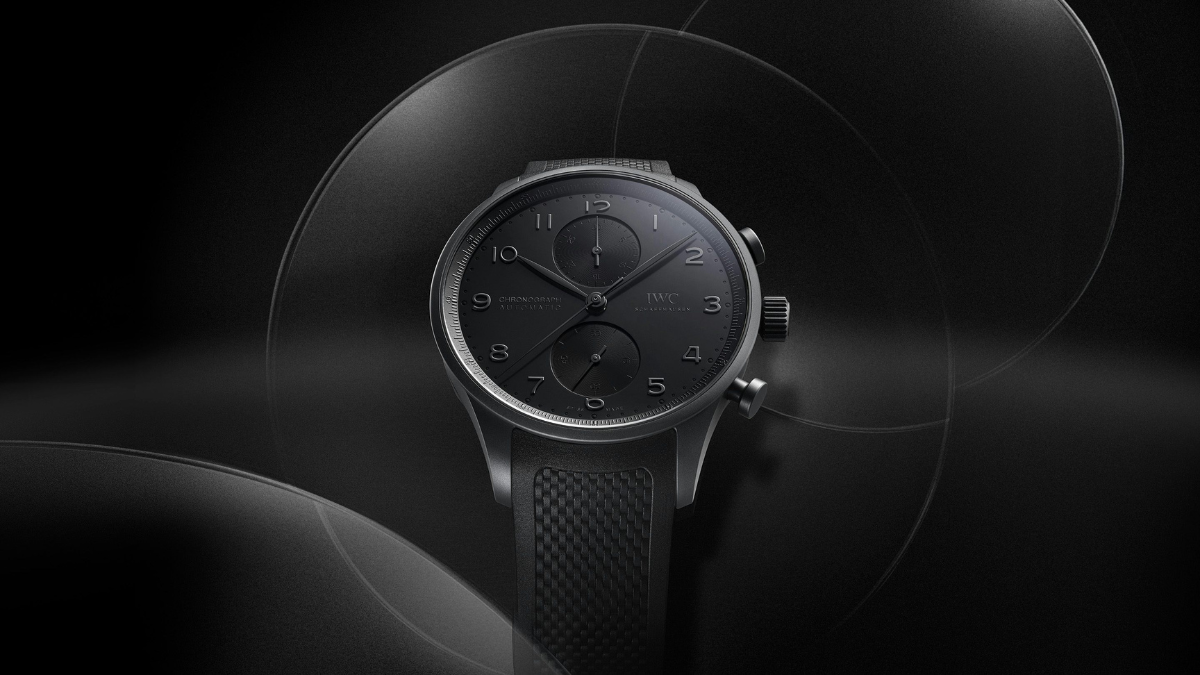
There’s something about an all-black watch that changes the mood instantly. It’s not louder and flashier. It’s more deliberate. And now, one of the most classical chronographs in modern Swiss watchmaking has gone fully stealth.
The IWC Portugieser Chronograph Ceratanium has arrived in a limited run of just 1,500 pieces, and it may be one of the most quietly significant releases of the year.
For a model traditionally offered in steel or gold, this isn’t just a cosmetic tweak. It’s a philosophical shift. And if history has taught us anything about limited, material-forward IWC releases, it’s this: the market rarely ignores them for long.
The Portugieser
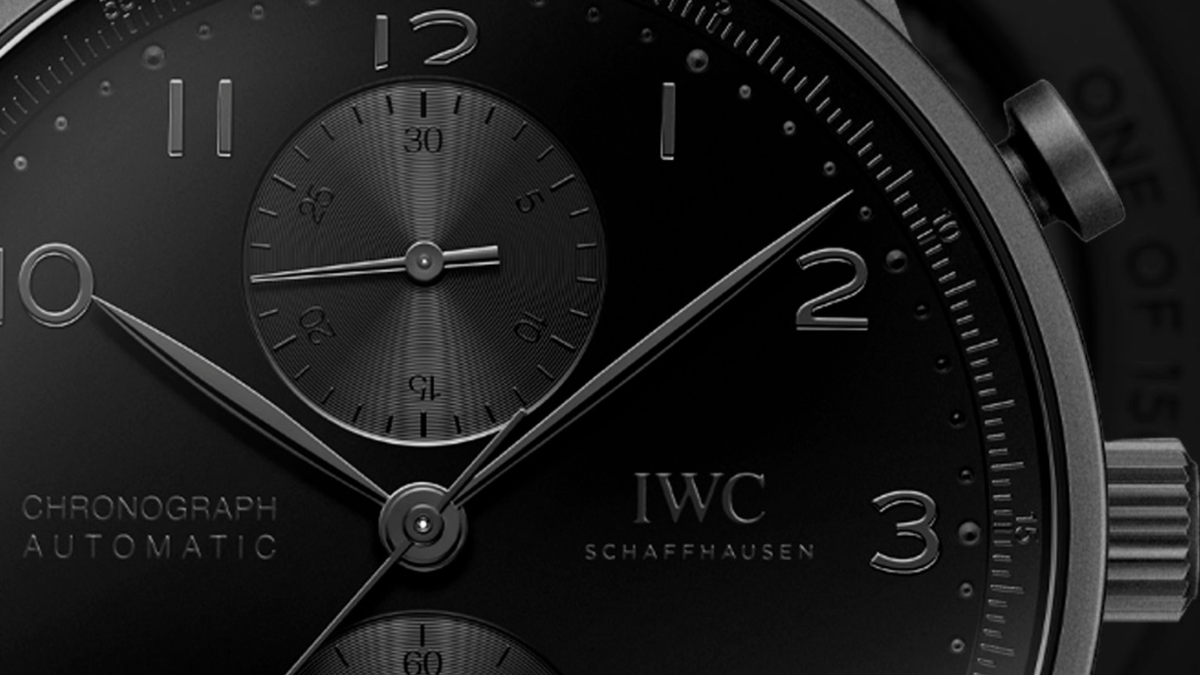
The Portugieser Chronograph has long been one of the most enduring pillars of the modern IWC Schaffhausen catalogue. Vertical sub-dials. Slim bezel. Balanced 41 mm proportions. It’s a design that has survived decades without losing relevance.
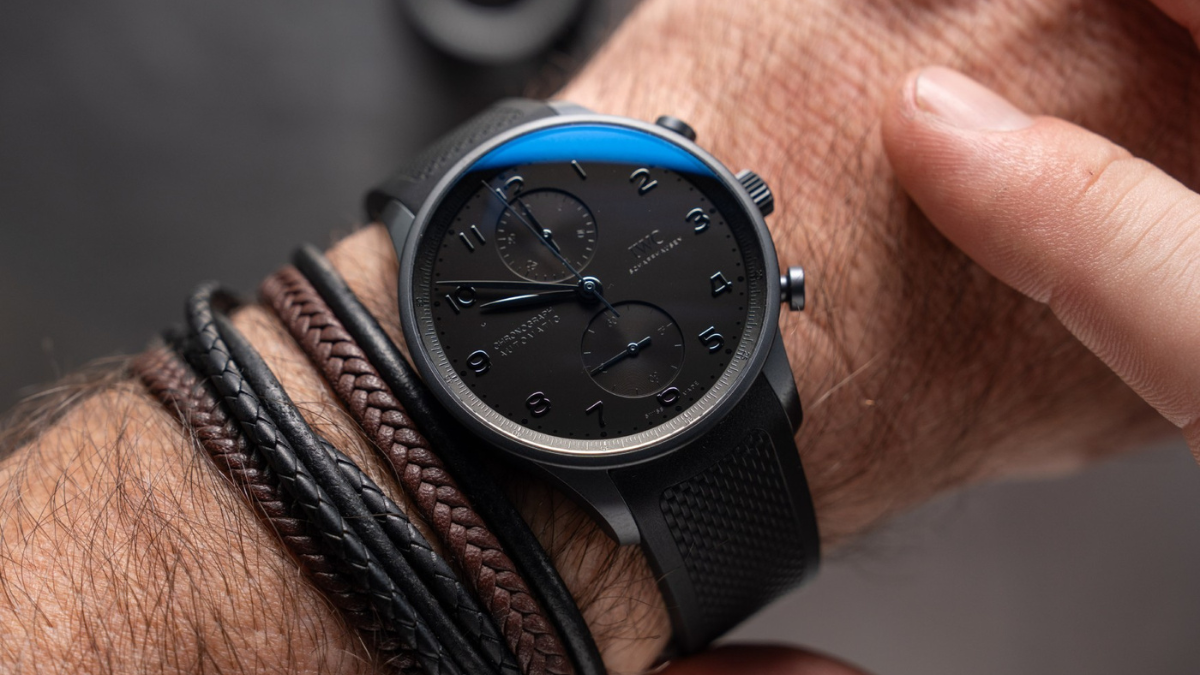
Now, for the first time, the case, crown, and pushers are executed entirely in Ceratanium, a proprietary material that fuses titanium’s lightness with ceramic’s hardness, resulting in a matte, scratch-resistant black surface.
The effect is transformative. The familiar elegance of the Portugieser remains intact. But stripped of polished steel or precious metal, the design feels sharper. More architectural. Almost sculptural.
What Is Ceratanium
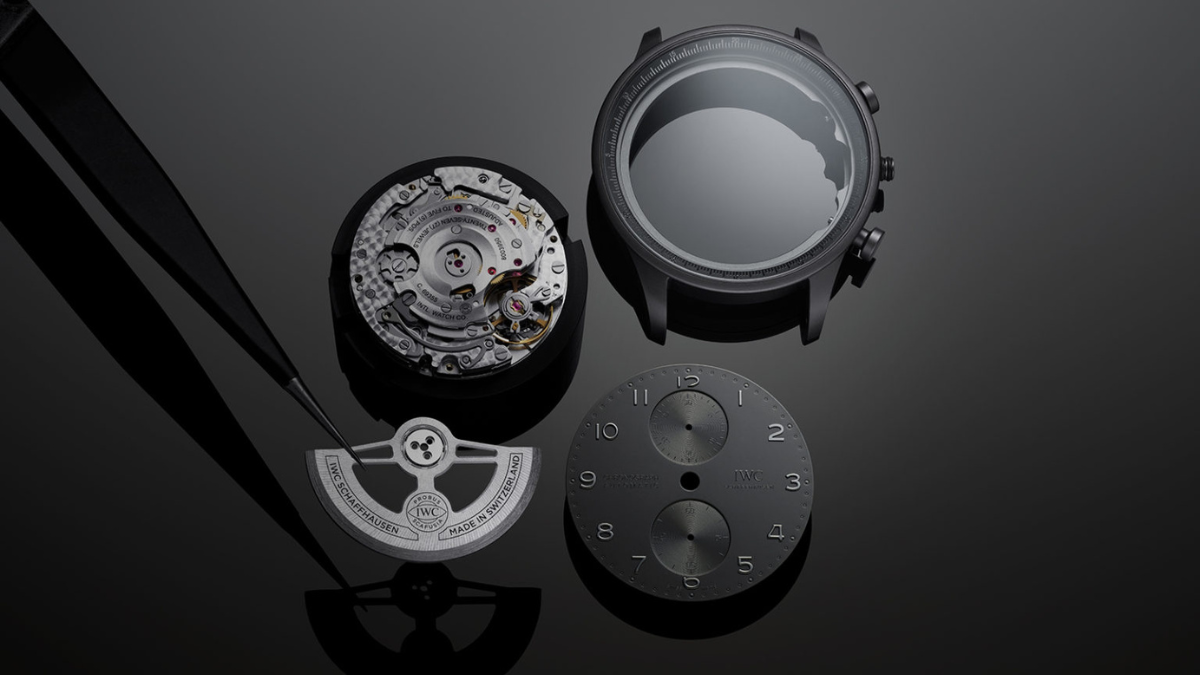
Ceratanium isn’t a coating. It begins as a titanium alloy. Once the case components are milled, they’re fired in a kiln, where controlled heat transforms the surface into a ceramic-like layer. The result is a naturally matte black material that is:
As light as titanium
Significantly harder than untreated metal
More resistant to scratches and corrosion
Uniform in color throughout the surface layer
IWC’s journey into black materials didn’t begin here. The brand experimented with oxidised steel pocket watches in the 19th century. In the 1970s and 1980s, it pushed forward with anodised aluminium, black coatings, titanium hardening processes, and ceramic cases.
Ceratanium, introduced in 2017, is the culmination of that research. And until now, it has primarily been associated with IWC’s more tactical collections, particularly its Pilot’s Watch line.
Bringing it to the Portugieser, arguably the brand’s most classical chronograph family, is a statement. Black is no longer about military utility. It’s about design purity.
Dial
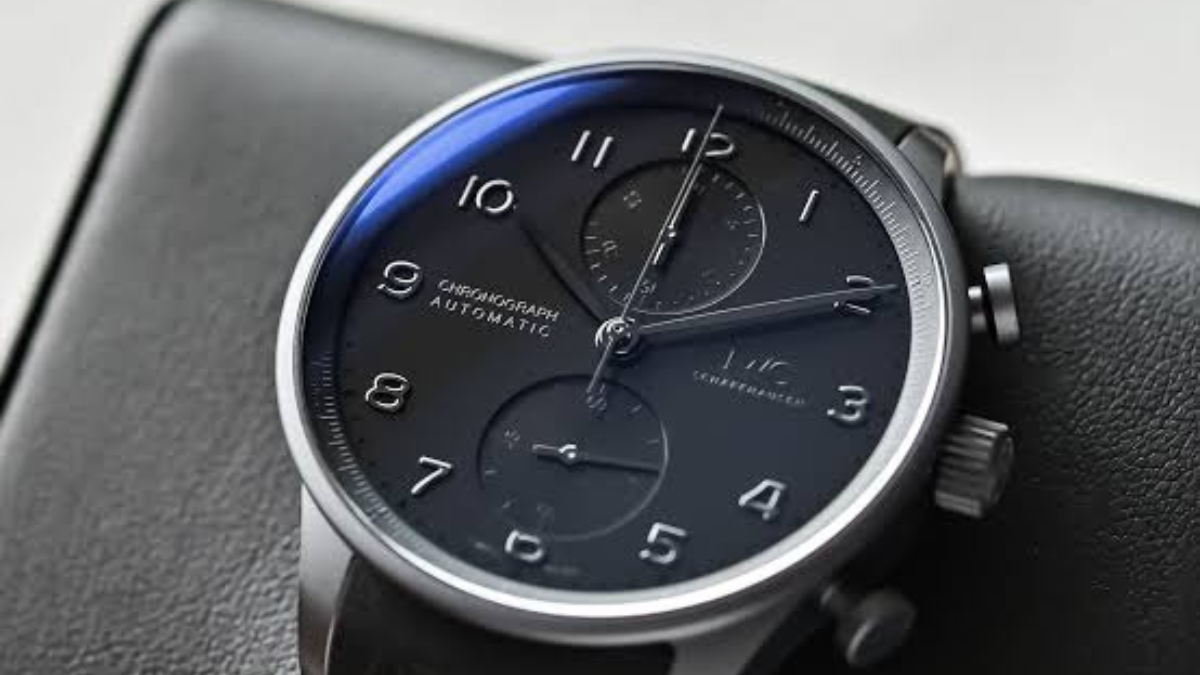
The dial follows the same monochromatic philosophy. Black base. Dark grey numerals. Glossy grey hands. Concentric-grained registers in subtly lighter shades. Even the printing is executed in restrained tones.
Legibility isn’t exaggerated. Contrast isn’t dramatic. Instead, the watch leans into restraint. The sub-dials sit vertically aligned, preserving the Portugieser’s signature layout. The slim bezel keeps the dial expansive.
It’s not a watch that demands attention across a room. It’s a watch that rewards proximity. Under certain light, the layers of grey reveal depth. Under others, it becomes nearly seamless, a study in shadow and geometry.
Beneath the grey-tinted sapphire caseback beats the in-house calibre 69355. This is IWC’s modern automatic chronograph movement, developed to replace the outsourced Valjoux 7750 that powered earlier generations.
Key specifications include:
4 Hz frequency (28,800 vibrations per hour)
46-hour power reserve
Column wheel chronograph architecture
Direct-drive seconds
“Magic Lever” winding system
LIGA-manufactured escapement components
It’s robust, serviceable, and mechanically respectable, exactly what the Portugieser Chronograph has always represented: clean design paired with solid engineering.
Importantly, IWC didn’t attempt to reinvent the movement for this edition. The mechanical foundation remains identical to the steel version. This is about material evolution, not mechanical experimentation.
Pricing
The Portugieser Chronograph Ceratanium is priced at CHF 13,000 before taxes. That places it roughly 50% above the standard steel model. The premium is substantial.
But Ceratanium models across the IWC portfolio have consistently commanded higher pricing, reflecting both manufacturing complexity and positioning strategy.
Here’s where things get interesting: The Portugieser Chronograph has traditionally served as an accessible entry point into IWC’s chronograph offerings. This edition shifts it upward, closer to the brand’s more technical and limited pieces.
In doing so, IWC subtly repositions the Portugieser from “classic staple” to “collectable variation.” Limited to 1,500 pieces worldwide, supply is controlled but not microscopic. It’s enough to create scarcity — not enough to flood boutiques. For collectors who follow material-driven IWC releases, that combination often proves meaningful long-term.
Market Positioning and Collector Relevance
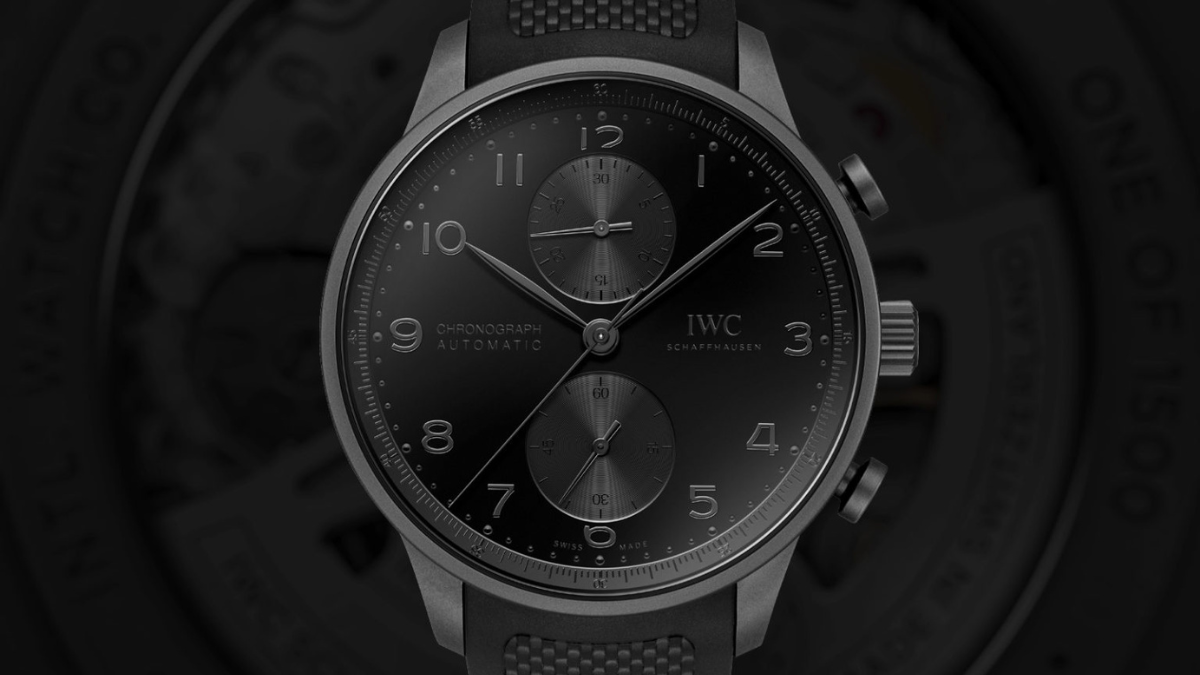
All-black watches are not new. But classical dress-leaning chronographs executed entirely in matte black remain relatively rare.
The tension between the Portugieser’s traditional Arabic numerals and the stealth Ceratanium case is precisely what makes this watch intriguing. It shouldn’t work. But it does.
In today’s market, where waitlists dominate steel sports watches and precious metal prices climb, material innovation has become one of the few genuine differentiators.
Ceratanium offers:
Visual distinctiveness without ostentation
Lightweight wearability at 41 mm
Scratch resistance for daily use
A limited production narrative
And importantly, it arrives at a time when collectors are increasingly seeking pieces that feel different without being trend-driven. The all-black aesthetic also resonates strongly in Asia-Pacific markets, where stealth luxury continues to gain traction.
The watch debuted publicly on the wrist of Ed Sheeran during his Australian tour, a soft but effective endorsement. Not loud. Not campaign-heavy. Just visible enough to spark curiosity. That aligns perfectly with the watch itself. It doesn’t shout. It lingers.
IWC’s Long Relationship With Black
This release isn’t a one-off experiment. IWC’s history with black materials spans over a century, from oxidised steel military pocket watches in the 1880s to black ceramic Da Vinci models in the 1980s, and titanium hardening breakthroughs in the 1980s and 1990s.
Ceratanium is the latest chapter in that lineage. And by bringing it to the Portugieser, IWC symbolically merges its classical heritage with its technical material expertise. Form and function, reconciled in monochrome.
Should Collectors Move Quickly?
Limited to 1,500 pieces. Premium pricing. A flagship model reinterpreted in a proprietary material. Those ingredients don’t guarantee secondary market spikes, but they often create quiet, long-term desirability.
The steel Portugieser Chronograph remains widely available. This version won’t be. And once Ceratanium Portugiesers are no longer in production, the brand is unlikely to repeat the formula immediately.
For buyers who appreciate:
Subtle design shifts
Material innovation
Monochrome aesthetics
Lightweight wear with chronograph capability
This may be the most intriguing Portugieser in years.
Final Thoughts
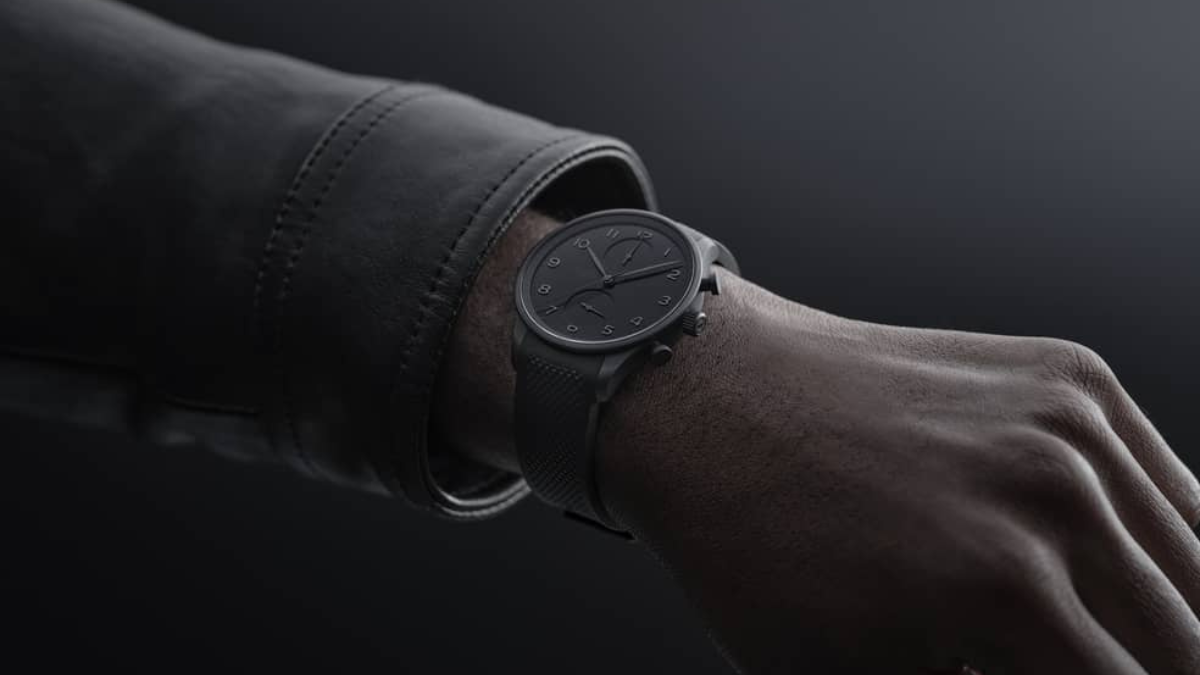
The Portugieser Chronograph Ceratanium doesn’t reinvent the wheel. It doesn’t introduce a groundbreaking complication. It doesn’t rely on precious metals.
Instead, it removes polish, shine, and excess contrast until only form remains. And in doing so, it reframes a familiar icon. In a market obsessed with hype, this is something rarer: quiet confidence.
If you’re waiting to see whether this edition gains traction, remember, production is capped. Once boutiques close their allocation, the conversation changes. Sometimes the boldest move in watchmaking isn’t adding more. It’s taking everything away.