
Tissot Visodate 39mm Returns: The $950 Swiss Classic That Could Disappear Again


There are watch comebacks, and then there are moments like this. After quietly vanishing from the market, the Tissot Visodate 39mm has returned. Not as a nostalgic reissue, but as a calculated, modern revival of one of the most respected entry-level Swiss mechanical watches ever made. And if early reactions are anything to go by, this might not stay available for long.
For years, the Visodate was the watch insiders recommended without hesitation. It sat in that rare sweet spot: Swiss-made, mechanically reliable, and refined enough to wear anywhere. Then it disappeared, leaving a noticeable gap in the sub-$1,000 category. Now, it’s back. Smaller. Sharper. More relevant than ever.
A Strategic Comeback
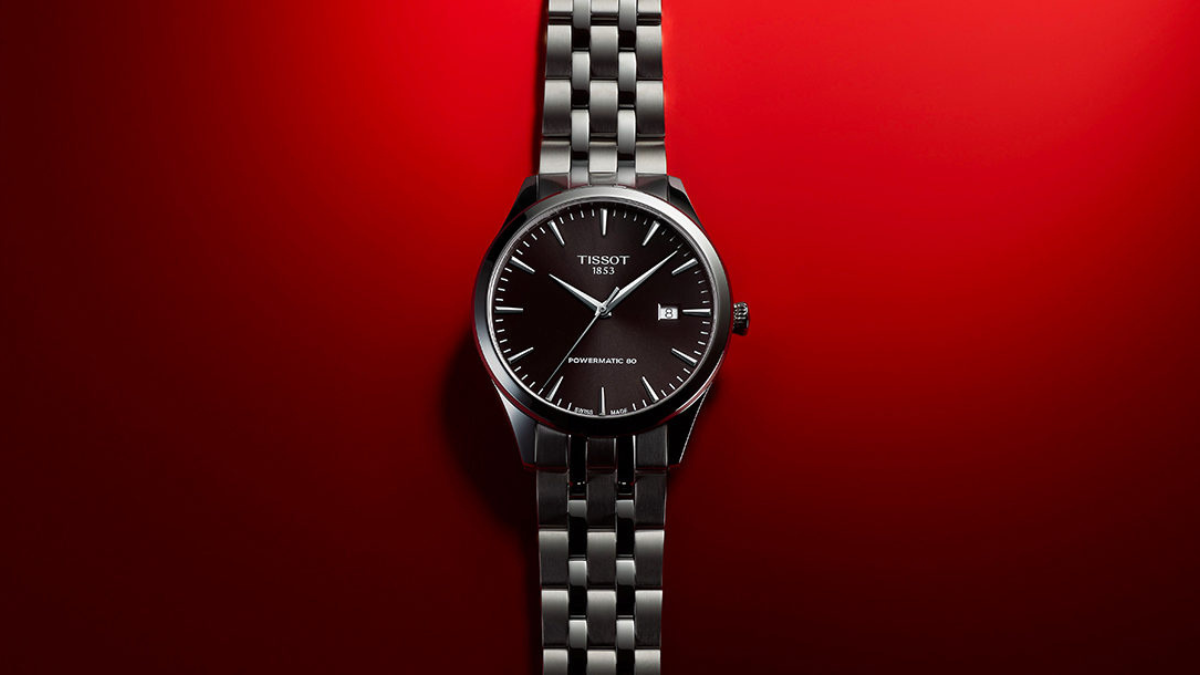
The reintroduction of the Visodate doesn’t feel accidental. The watch world has shifted. Collectors are moving away from oversized pieces and chasing versatile, everyday watches with heritage credibility. Tissot clearly understands this shift, and the new 39mm Visodate lands right in the centre of that demand.
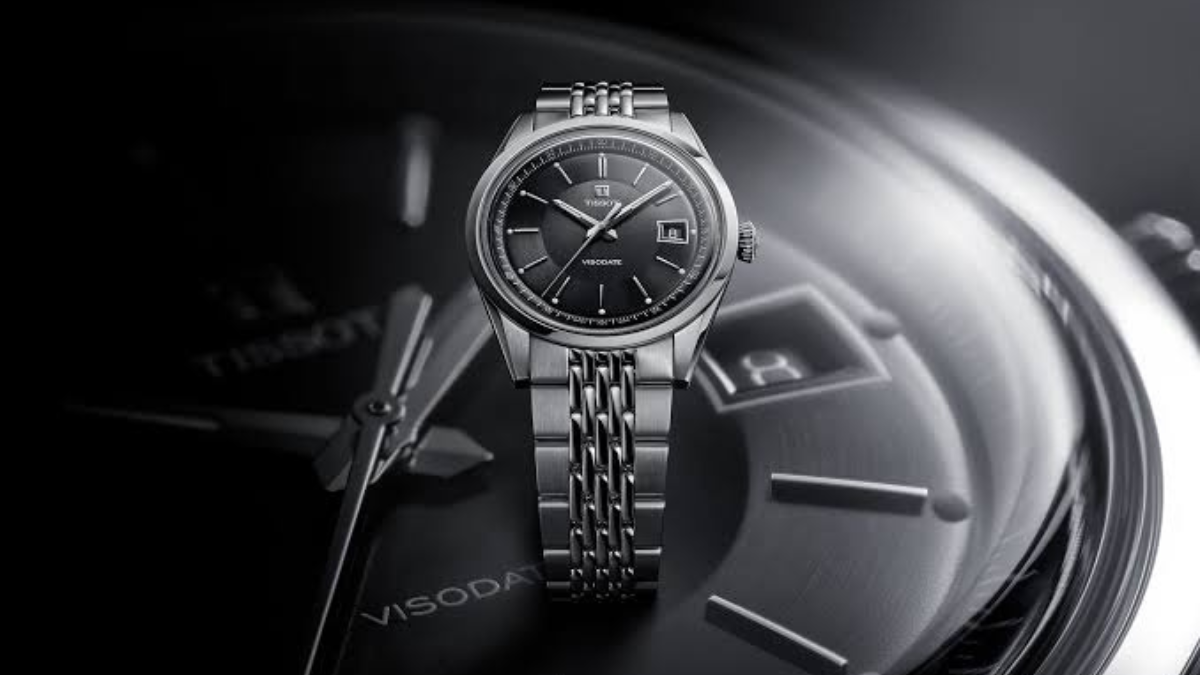
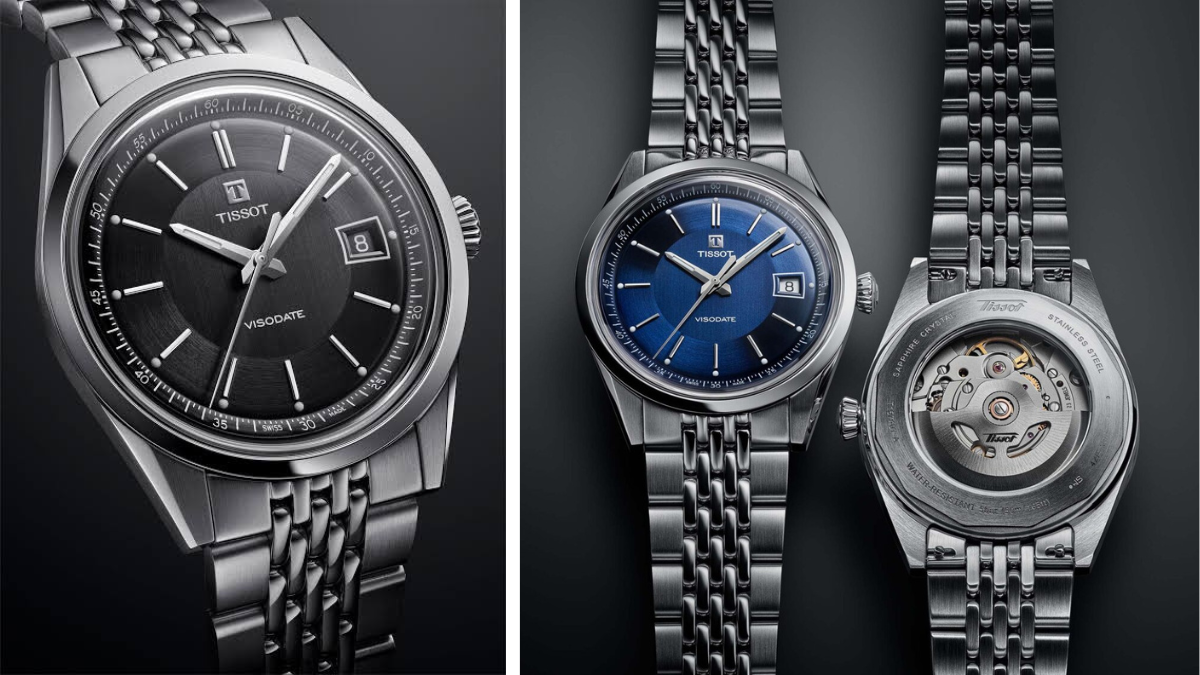
At 39mm in diameter and just over 10mm thick, the proportions hit a near-perfect balance. It’s compact enough to feel vintage-inspired, yet modern enough to wear daily without compromise. The 316L stainless steel case has been refined with a cleaner, more contemporary finish, with brushed surfaces dominating, while subtle polished accents keep it elegant.
This new Tissot Visodate 39mm doesn’t scream for attention, but it doesn’t need to. The deep blue dial variant immediately stands out as the most versatile option. It shifts tones depending on the light, moving from rich navy to almost electric blue. The dial layout is clean and structured, with applied indices and dauphine hands coated in Super-LumiNova for low-light visibility.
There’s a clear design philosophy here: restraint. The domed sapphire crystal adds a subtle vintage curve, while the dial’s layered finishing creates depth without clutter. Even the date window, true to the Visodate legacy, remains a central feature, reinforcing the model’s original identity from the 1950s.
Flip the watch over, and you get a transparent caseback revealing the movement inside, a detail that still matters, especially at this price point.
The Powermatic 80
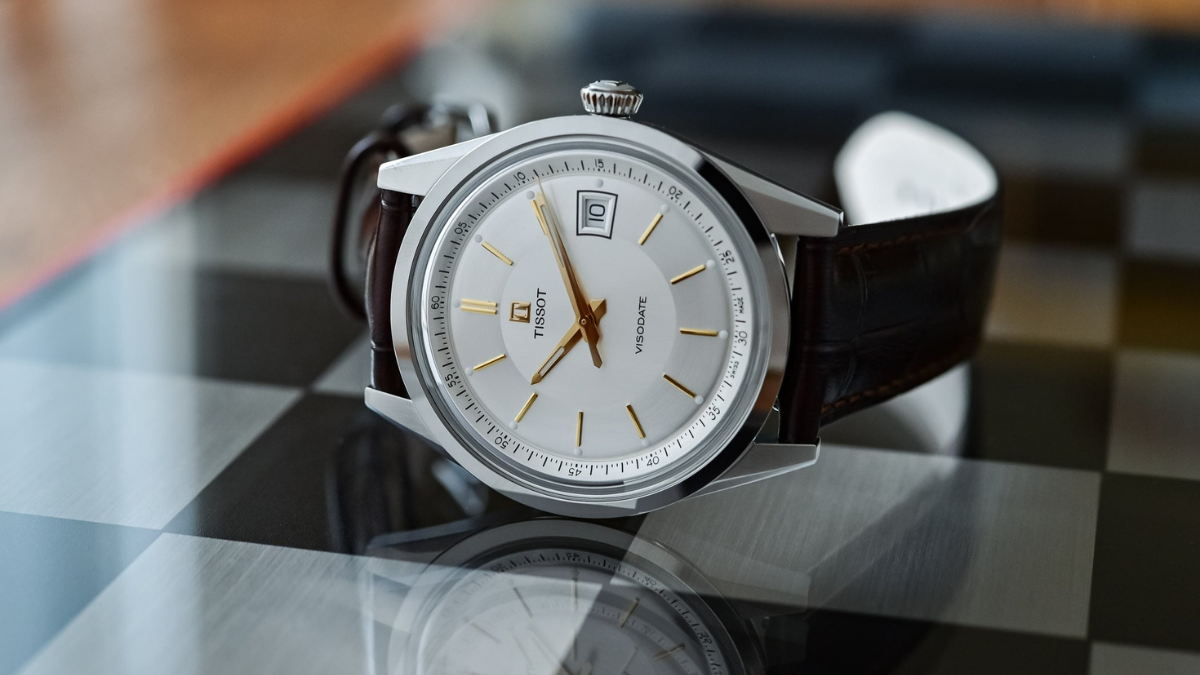
Inside the Visodate beats Tissot’s well-established Powermatic 80 movement. This is where the watch quietly outperforms much of its competition.
An 80-hour power reserve means you can take it off on Friday evening and pick it up Monday morning, still running. For many buyers entering the mechanical watch space, that’s a game-changer.
The inclusion of a Nivachron balance spring adds resistance to magnetic fields, improving long-term reliability. It’s not a headline feature, but it’s the kind of technical upgrade that seasoned collectors appreciate.
At this price level, very few watches offer this combination of autonomy, durability, and Swiss manufacturing.
Bracelet, Wearability, and Everyday Practicality
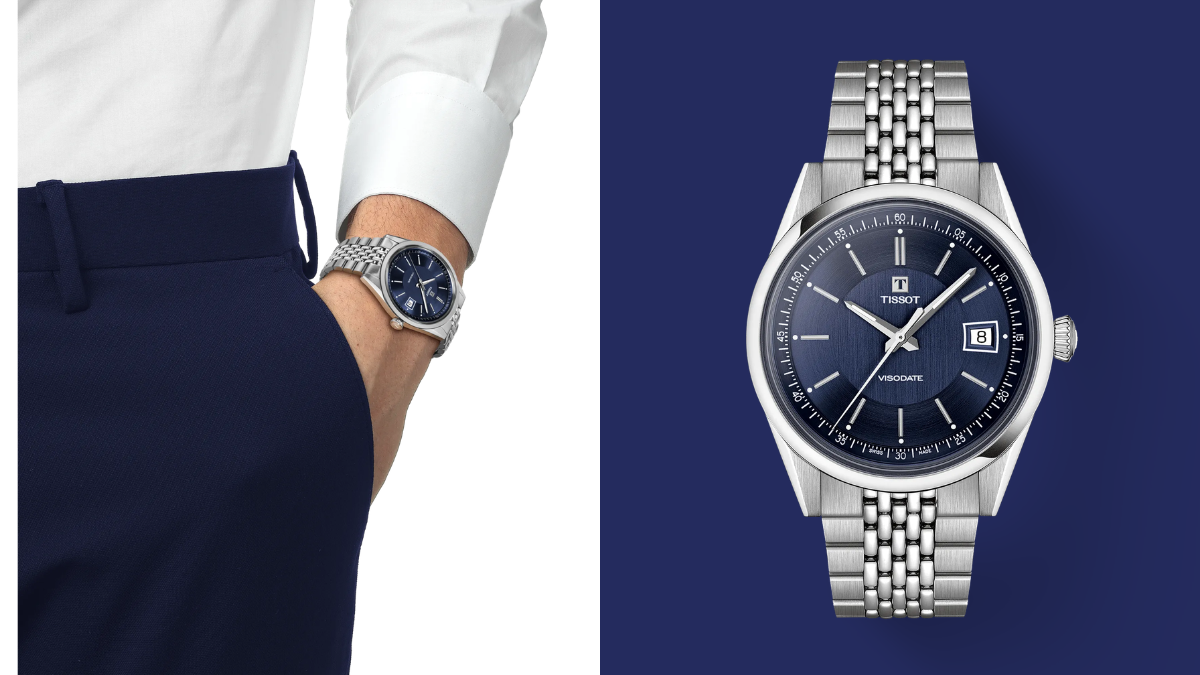
Tissot didn’t just update the case; they improved the entire wearing experience.
The stainless steel “grains of rice” bracelet is one of the most noticeable upgrades. It’s lighter, more flexible, and far more comfortable than traditional link designs. Combined with a quick-release system, it allows easy strap changes without tools, something modern buyers now expect.
Water resistance has also been increased to 50 meters. While not a dive watch, it’s now far more practical for everyday use compared to older iterations. These changes may seem small individually, but together, they transform how the watch feels on the wrist.
At $950 for the bracelet versions and $850 for the leather strap variant, the Visodate enters a highly competitive segment. But here’s where things get interesting.
There are very few watches under $1,000 that combine:
-
Swiss heritage
-
In-house automatic movement
-
80-hour power reserve
-
Balanced vintage-modern design
That list gets even shorter when you factor in brand recognition. This pricing feels intentional, almost aggressive. And historically, watches that hit this value-to-quality ratio don’t stay at the same price for long.
Collector Perspective
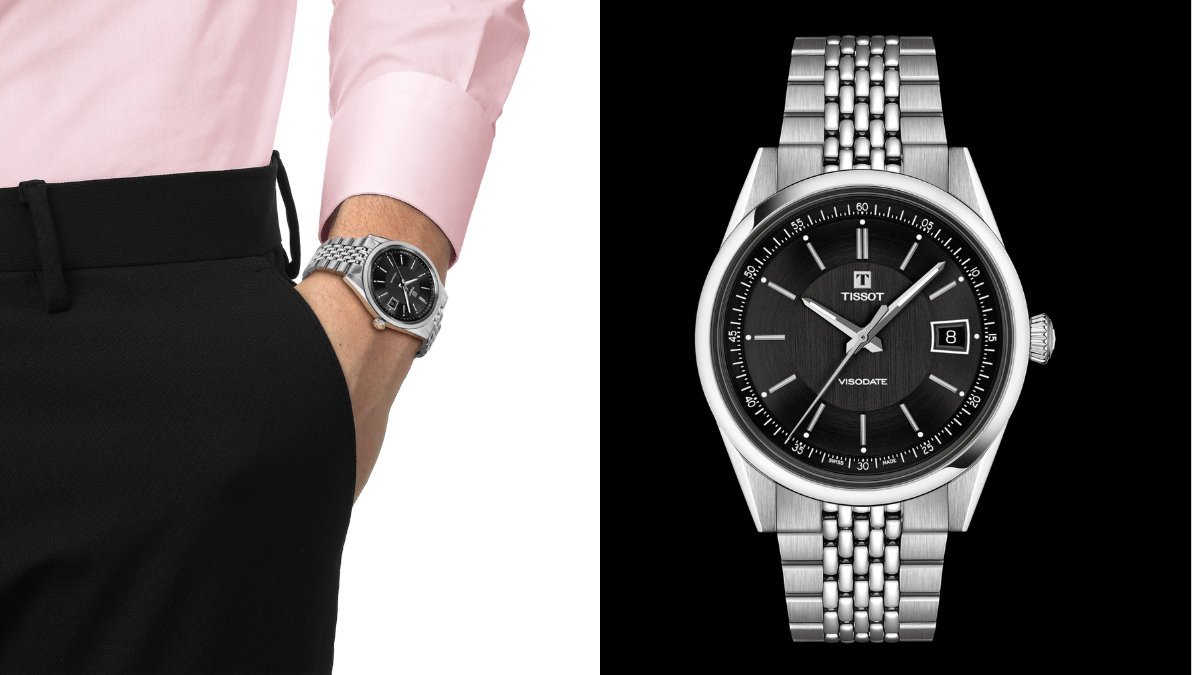
This isn’t just another release, it’s a repositioning. The Visodate used to be a “safe recommendation.” Now, it has the potential to become something more: a gateway collectable.
There’s already a pattern in the watch market:
-
Discontinued models gain attention
-
Reintroduced versions spark renewed demand
-
Early buyers benefit from price stability or growth
If Tissot limits production or demand outpaces supply, waitlists could easily follow. And given how quickly the previous Visodate disappeared, that’s not an unrealistic scenario. For collectors, this creates a familiar tension: Do you wait or do you secure one now before the market reacts?
The biggest advantage the Visodate has right now isn’t just design or specs, it’s positioning. There are plenty of dress watches. Plenty of sporty watches.
But the overlap between:
-
Vintage-inspired design
-
Modern usability
-
Swiss mechanical credibility
-
Sub-$1,000 pricing
It is extremely limited. That’s exactly where the Visodate sits. It’s not competing with luxury heavyweights. It’s not chasing microbrand hype. It’s carving out a space that very few brands are actively targeting.
Final Thoughts
The return of the Visodate feels understated, but don’t mistake that for insignificance. This is the kind of watch that builds momentum slowly, then suddenly becomes hard to find.
It has heritage without feeling outdated. It has modern specs without losing simplicity. And most importantly, it arrives at a time when the market is actively searching for exactly this kind of watch.
If history repeats itself, availability may not last forever. And when a watch like this disappears once… it rarely comes back the same way twice.