GMT Watches Seem Overpriced — Until You Know Their History

Let’s be honest. If you never travel and don’t deal with different time zones, you probably don’t need a GMT watch.
So why do these watches cost more than regular timepieces, and why do pilots, frequent travellers, and collectors swear by them? The answer has nothing to do with hype and everything to do with history, engineering, and real-world use.
This guide breaks down the history of GMT watches, how they started, how they became a symbol of elite travel, and whether they’re truly worth your money today or not.
If you want to understand how GMT watches actually work and how to use them correctly, I highly recommend reading this guide, GMT Watches Guide: How They Work and Who Needs Them, before or after this post. Together, these two guides will give you full clarity and confidence before buying your first or next GMT watch.
What Is a GMT Watch?
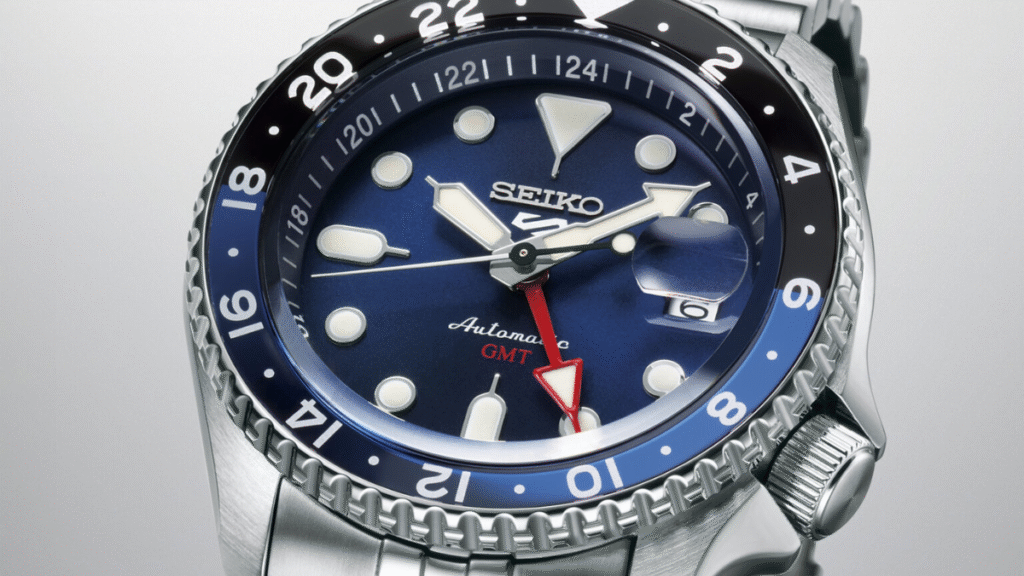
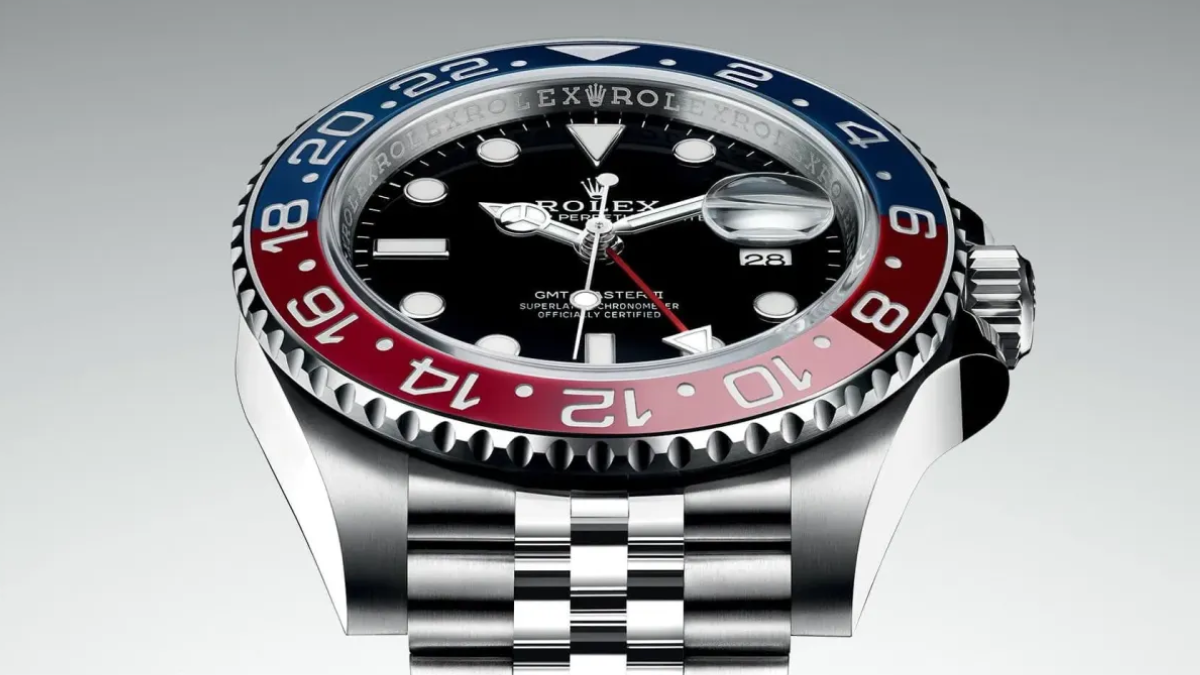
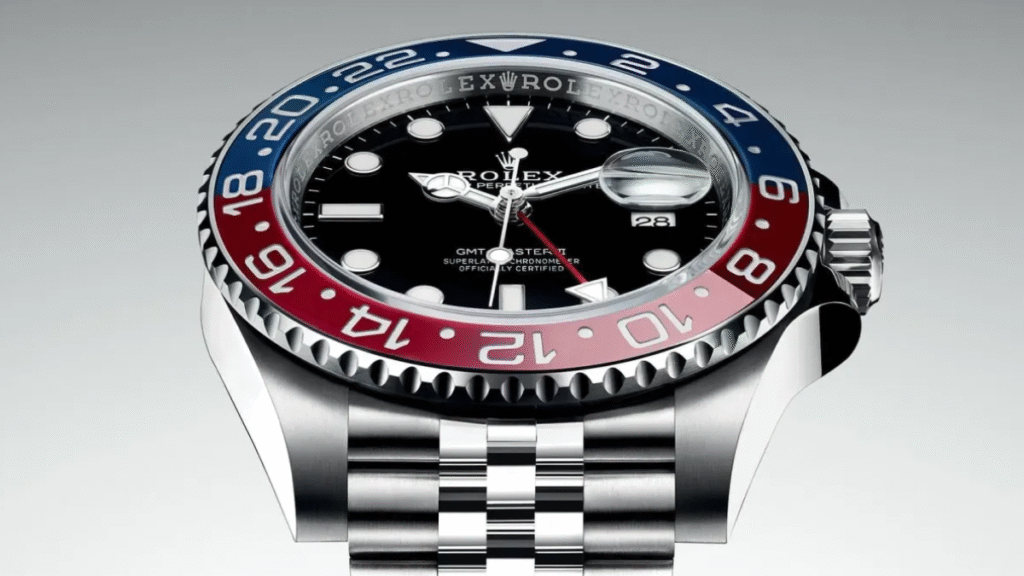
A GMT watch is designed to display two or more time zones at the same time. The term “GMT” stands for Greenwich Mean Time, the global reference point for timekeeping. It usually does this with an extra hour hand that completes one full rotation every 24 hours instead of 12. This hand works together with a 24-hour scale on the dial or bezel.
Why does this matter in real life? Imagine you live in New York, work with a team in London, and travel frequently to Asia. A GMT watch lets you instantly know the time back home or at work without pulling out your phone or doing mental calculations. It becomes second nature once you use it daily.
There are different types of GMT watches. Some allow you to independently adjust the local hour hand, which travellers love. Others adjust the GMT hand instead, which collectors and desk-based professionals often prefer.
The History of GMT Watches
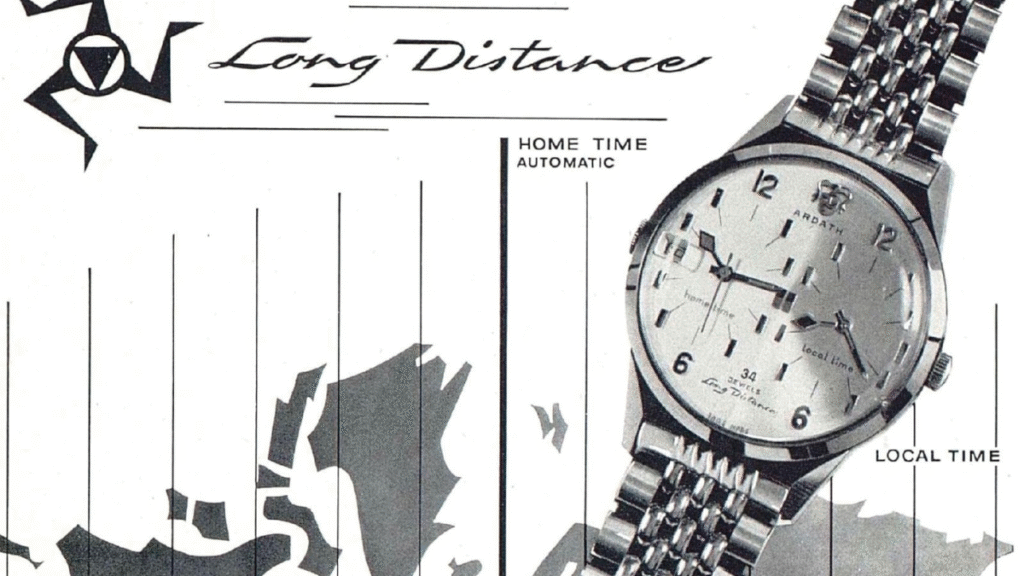
In the early 1950s, commercial air travel expanded rapidly. Long-haul flights were becoming common, and pilots faced a serious problem. Crossing multiple time zones made traditional watches confusing and unreliable for navigation and scheduling.
Pan American World Airways, known as Pan Am, approached Rolex with a specific request. They needed a watch that could show local time and Greenwich Mean Time at the same time. GMT was the global aviation standard, used for flight plans and communication.
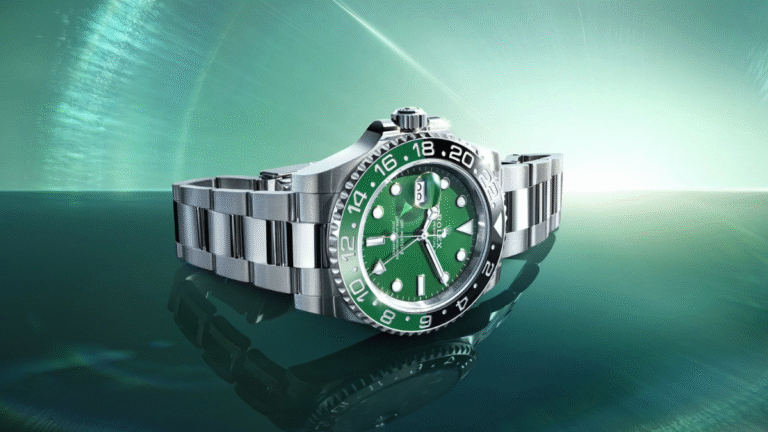
In 1954, Rolex answered with the Rolex GMT Master. This watch changed everything. It featured an additional 24-hour hand and a rotating bezel that allowed pilots to track two time zones effortlessly. The design was not about luxury. It was about clarity, safety, and precision.
As international travel expanded, the GMT watch moved from cockpits to boardrooms. Business travellers realised its value. Journalists, diplomats, and later collectors adopted it as well.
Other brands followed. Omega, Breitling, Seiko, and many others developed their own GMT models. Each added unique twists, but the core concept stayed the same.
Today, when you wear a GMT watch, you are wearing a piece of aviation and travel history on your wrist. That legacy plays a huge role in why these watches are still respected and priced higher than standard models.
Why Are GMT Watches So Expensive?
A GMT movement is more complex than a standard one. Adding a true GMT function requires additional gears, springs, and precise engineering. This is not something every watch movement can handle reliably.
Second, many GMT watches are built to professional standards. They are tested for accuracy, durability, and long-term reliability. This is especially true for brands with aviation roots.
Third, heritage matters. Watches that come from a long history of pilots and travel feel special. People don’t buy a GMT watch just to check the time. They buy it because of the story behind it. The watch makes them feel confident and connected to travelling around the world.
Finally, demand plays a role. GMT watches appeal to travellers, professionals, and collectors at the same time. That wide appeal keeps prices strong and resale values high.
So when you see a high price, you are not just paying for an extra hand. You are paying for decades of innovation, trust, and proven usefulness.
Are GMT Watches Worth the Price?
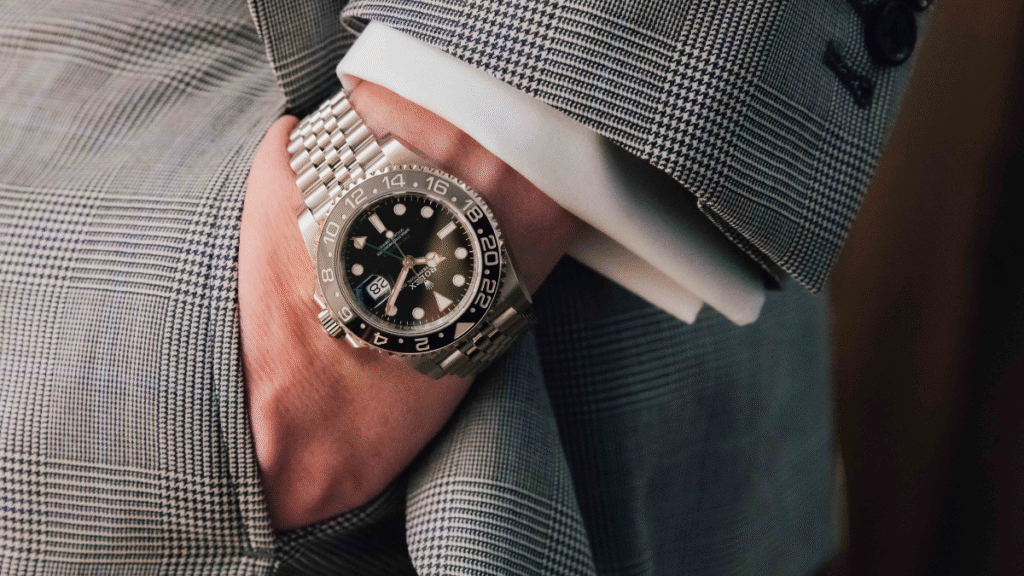
This is the question that really matters. If you never leave your time zone and do not work with global teams, a GMT watch may feel unnecessary. But if you travel even a few times a year, or manage clients across countries, it becomes incredibly useful.
For enthusiasts, a GMT watch offers emotional value and technical beauty beyond basic timekeeping.
For me, the biggest value is mental ease. I do not have to think about time differences. One glance tells me everything. That convenience adds up more than you expect.
From an investment perspective, many GMT watches hold value well. Some even appreciate over time, especially models with a strong heritage.
So are GMT watches worth the price? If you value function, history, and long-term ownership, the answer is often yes.
Common Myths About GMT Watches
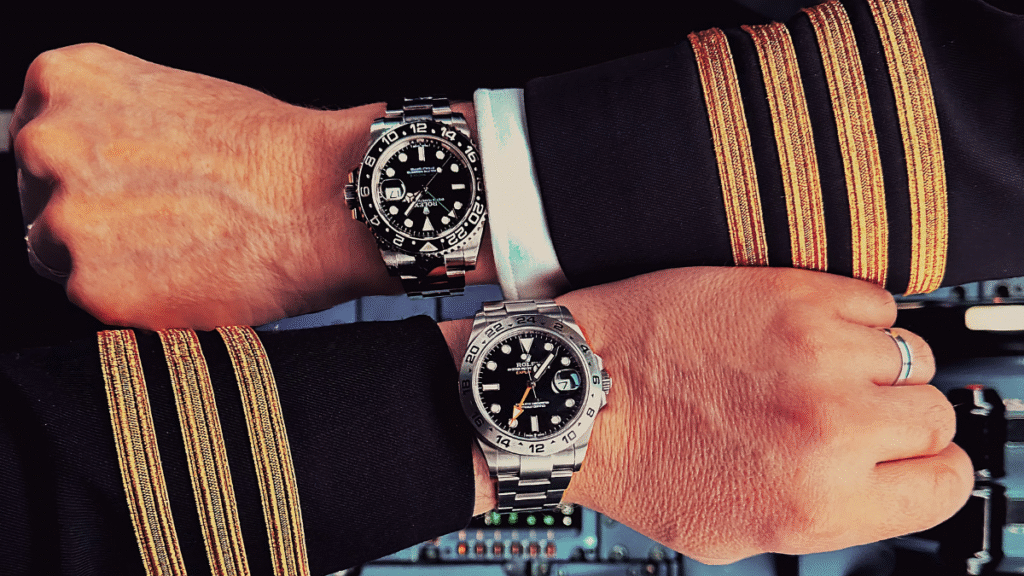
One common myth is that GMT watches are only for pilots. That was true in the beginning, but today they are for anyone living a global lifestyle.
Another myth is that GMT watches are too complicated to use. Once you set one correctly, it becomes incredibly intuitive.
Some people also believe smartphones make GMT watches useless. In reality, watches offer instant, distraction-free information. No battery anxiety, no notifications pulling your focus.
Frequently Asked Questions
What does GMT stand for?
GMT stands for Greenwich Mean Time, the global reference time used for coordination across time zones.
Is it possible for a GMT watch to track more than two time zones?
Yes, with a rotating bezel, some GMT watches can track three time zones.
Are GMT watches good for everyday wear?
Absolutely. Many people wear GMT watches daily for work and travel.
Do all GMT watches work the same way?
No. Some have traveller GMT functions, others have caller GMT functions. The difference matters depending on how you use it.
Final Thoughts: Should You Buy a GMT Watch?
The history of GMT watches is not just about timekeeping. It is about solving real problems for real people. Pilots, travellers, professionals, and explorers shaped these watches through decades of use.
Ask yourself how you live. Do you travel? Do you work across borders? Do you value tools that make life simpler and more meaningful?
If the answer is yes, a GMT watch is not just worth buying. It becomes part of your daily rhythm. But if you just need basic timekeeping, the premium may not be justified.