This Invisible Device Might Save Your Watch Collection From Becoming Obsolete

For years, watch lovers have faced a quiet but frustrating reality: the more connected the world becomes, the less practical their favourite timepieces feel. Notifications. Fitness tracking. Daily data. All locked behind screens, most collectors don’t even want it on their wrist.
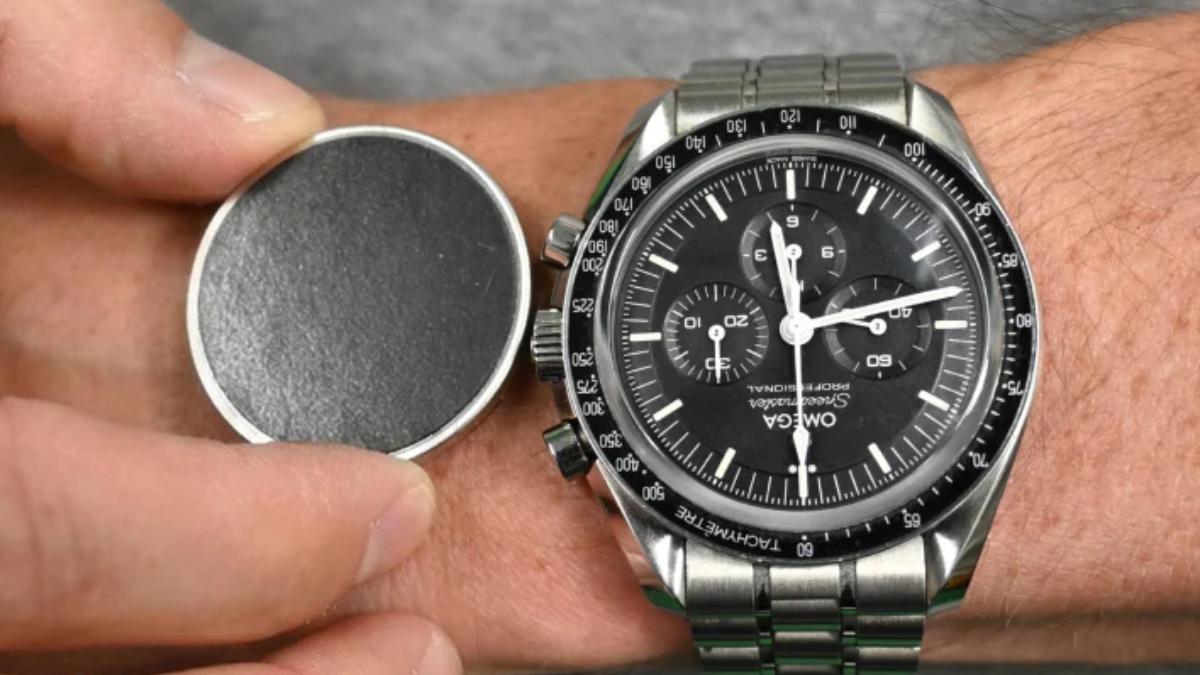
Now, a small startup called Ganance is attempting something bold, arguably disruptive. A nearly invisible sensor designed to sit behind your watch and quietly bring it into the modern world.
It’s called The Heir. And if it delivers on its promise, it could fundamentally change how enthusiasts think about wearing watches in 2026.
A Second Life for the Watches You Stopped Wearing
There’s an uncomfortable truth most collectors won’t admit out loud. That beautiful mechanical watch sitting in your drawer, the one you love, the one with meaning, often gets left behind for convenience. Not because it lacks charm. But it lacks function.
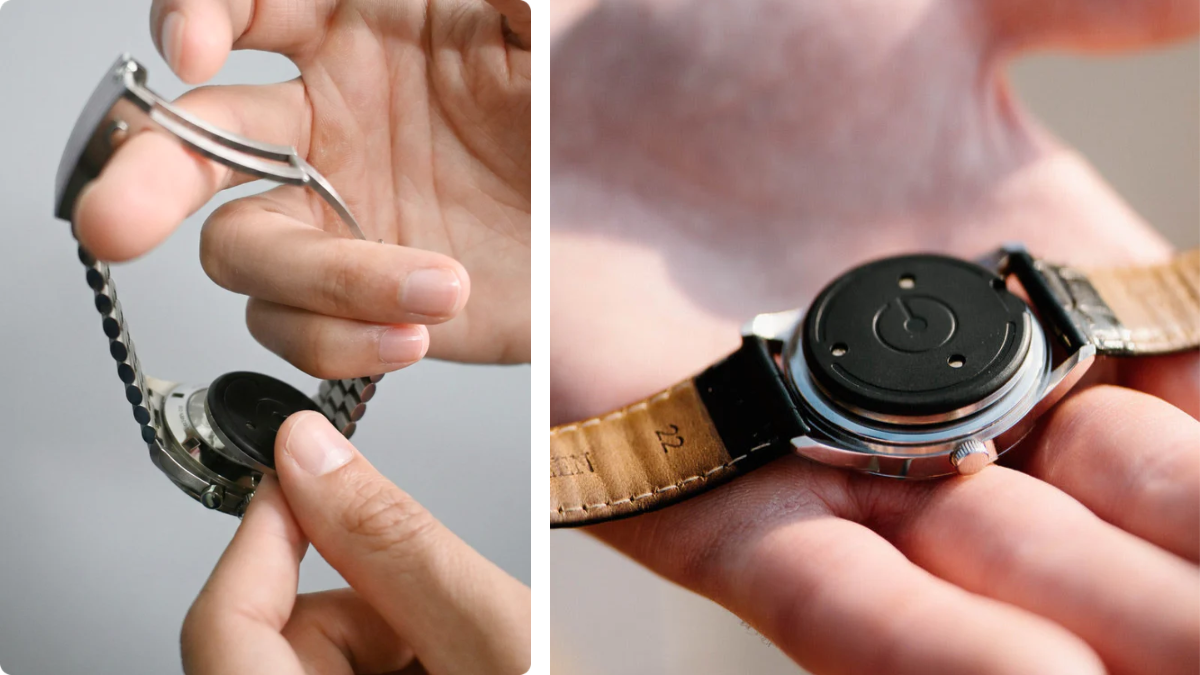
The Heir is built specifically to solve that problem. Instead of replacing your watch, it upgrades it. The device attaches discreetly to the caseback, completely hidden from view. No screens. No design compromise. No disruption to the identity of the watch itself.
And yet, once installed, it quietly adds modern essentials:
- Step tracking
- Calorie tracking
- Distance measurement
- Subtle haptic notifications
All synced through a mobile app and integrated with platforms like Apple Health and Health Connect. This isn’t about turning your watch into a smartwatch. It’s about making your watch relevant again.
The Anti-Smartwatch Philosophy

What makes The Heir interesting isn’t just what it does, but what it deliberately refuses to do. There’s no display competing for your attention. No endless apps and attempt to mimic a full smartwatch experience.
In a world dominated by devices like the Apple Watch, that restraint feels intentional and surprisingly refreshing. Instead of pulling you into another digital loop, The Heir operates in the background. You feel a gentle vibration for incoming calls or messages. You tap your wrist to control music. And then, you move on.
No screen to check. No distraction to manage. It’s a quieter, more analog-compatible version of modern connectivity. And for many enthusiasts, that might be exactly the point.
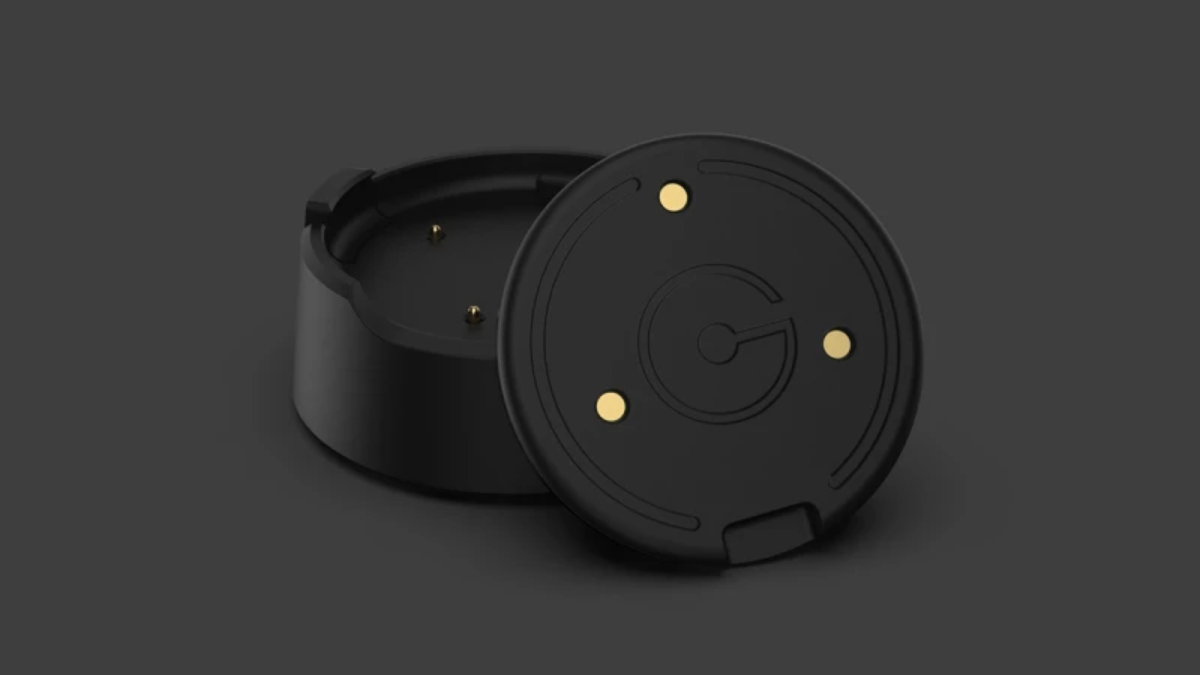
Physically, the device is almost negligible. At just 30mm wide and 3mm thick, and weighing only 5 grams, it adds minimal bulk. In some cases, it might even improve how a watch sits on the wrist.
Installation of The Heir is simple: attach it once, pair it with your phone, and it stays out of the way.
There’s also an optional accessory, the HeirBand, which allows users to swap the sensor onto a dedicated strap for workouts or more active use. It’s a subtle but smart addition, especially for those who rotate between dress watches and casual wear.
The Trade-Offs
But let’s be clear, this isn’t a perfect product. Not yet. There are notable omissions that will immediately stand out, particularly for fitness-focused users. No heart rate tracking. No standalone functionality without a phone nearby. And a battery life of around 42 hours, which means regular charging becomes part of the routine.
Compatibility is another variable. While most flat or slightly curved casebacks work fine, heavily engraved or irregular surfaces may struggle with adhesion.
That could be a dealbreaker for collectors with sentimental or engraved casebacks, arguably the very audience this product is trying to attract.
Then there’s the bigger question: execution. As a newcomer, Ganance is still proving itself. Early impressions suggest that while the concept is compelling, areas like tracking accuracy and connectivity may need refinement. In other words, the vision is strong, but the product may still be evolving.
Who This Is Really For
The Heir isn’t trying to win over hardcore smartwatch users. It’s targeting a very specific, very underserved audience:
- Watch collectors who refuse to switch to digital
- Professionals who value aesthetics over screens
- First-time buyers torn between style and functionality
- Anyone who misses wearing their “real” watch daily
If you already rely heavily on advanced fitness metrics, this likely won’t replace your current device. But if you’ve been avoiding smartwatches entirely, or reluctantly wearing one, it offers a compelling alternative.
It gives you just enough connectivity to stay in the loop, without sacrificing what makes a watch worth wearing in the first place.
Pricing, Availability, and Market Positioning
At $149 (pre-order), The Heir sits in an interesting position. It’s significantly cheaper than a full smartwatch, yet more expensive than basic fitness trackers. But its real value isn’t in competing with those categories. It’s creating its own.
A hybrid solution for people who don’t want to choose between tradition and technology. Shipping is expected in Spring 2026, and like many early-stage hardware launches, availability could become tight if demand spikes.
If The Heir gains traction, it could spark a broader shift in the watch industry. Imagine a future where:
- Mechanical watches remain dominant in design
- Smart features exist, but stay invisible
- Wearables adapt to watches, not the other way around
For collectors, that’s a far more appealing vision than replacing heritage pieces with screens. And if early adopters embrace the concept, this category could evolve quickly, with better sensors, longer battery life, and deeper integration.
Final Thoughts
Right now, The Heir sits at a fascinating crossroad. It’s not perfect. It’s not fully proven. And it’s certainly not for everyone. But it taps into something real. A growing resistance to fully digital wrists. A desire to reconnect with objects that carry meaning, not just functionality.
If it succeeds, it won’t just be another wearable. It will be the reason thousands of forgotten watches find their way back onto wrists.
And if you’ve ever hesitated between wearing your favourite watch and staying connected. This might be the first product that finally lets you do both, without compromise.