
Rolex GMT-Master II Pepsi Discontinued: The Iconic GMT-Master II Vanishes Overnight


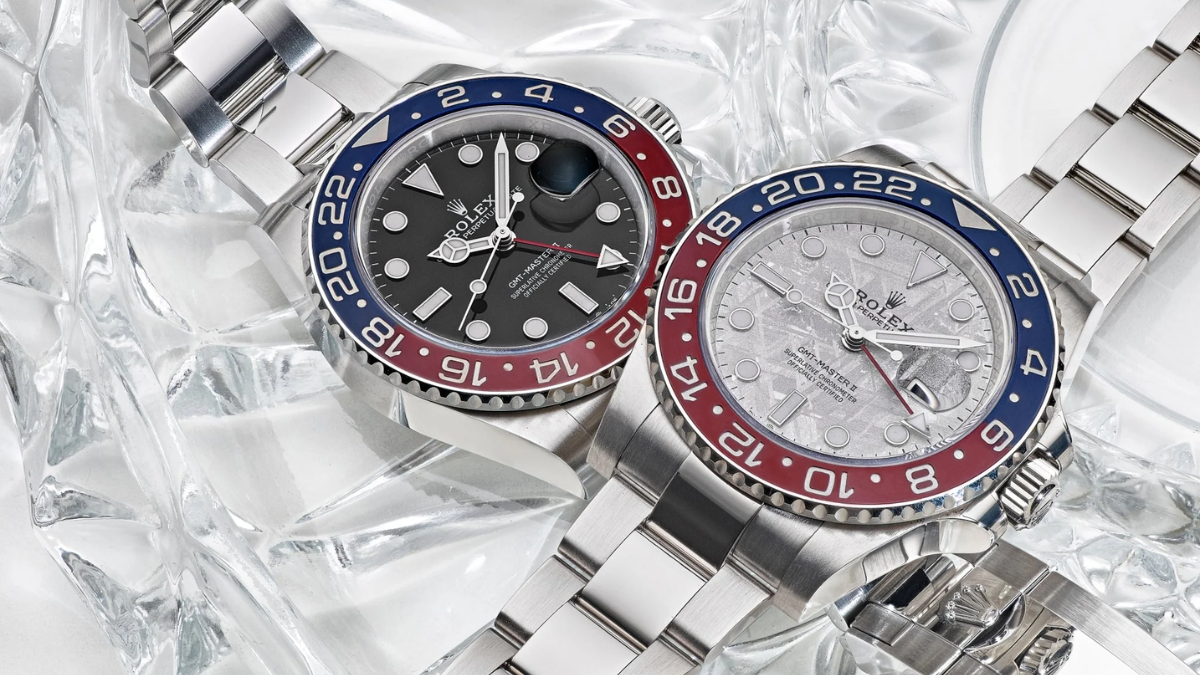
The Rolex GMT-Master II Pepsi discontinued news has now been confirmed, marking a pivotal moment for collectors as the market begins to respond almost instantly. At Watches and Wonders 2026, Rolex quietly pulled one of its most recognisable modern icons from the catalogue: the GMT-Master II “Pepsi.”
And if history has taught collectors anything, it’s this: when Rolex removes something this important, the real story is only just beginning.
For years, the Rolex GMT-Master II Pepsi has held a central place in modern watch culture, shaping demand and desire across the market. It wasn’t just another stainless steel sports watch; it was the watch people asked for, waited for, and often never received.
Now, both of its key references, steel and white gold, have officially disappeared from Rolex’s lineup. The red-and-blue Cerachrom bezel, once the defining feature of modern GMT watches, is no longer part of the brand’s current offerings.
This marks the first time in the ceramic era that Rolex has completely removed the Pepsi configuration from its catalogue, and that absence carries weight.
To understand the magnitude of the Rolex GMT-Master II Pepsi discontinuity moment, you have to look beyond the hype and into its DNA.
The design traces back to the Rolex GMT-Master 6542 from the 1950s, originally created for Pan Am pilots navigating multiple time zones. The red and blue bezel wasn’t chosen for style; it was designed to distinguish day from night at a glance.
Over time, that purely functional feature evolved into one of the most recognisable aesthetics in horology. Pepsi became more than a watch; it became a symbol of continuity, heritage, and identity within the Rolex ecosystem.
The Real Reason Behind the Discontinuation
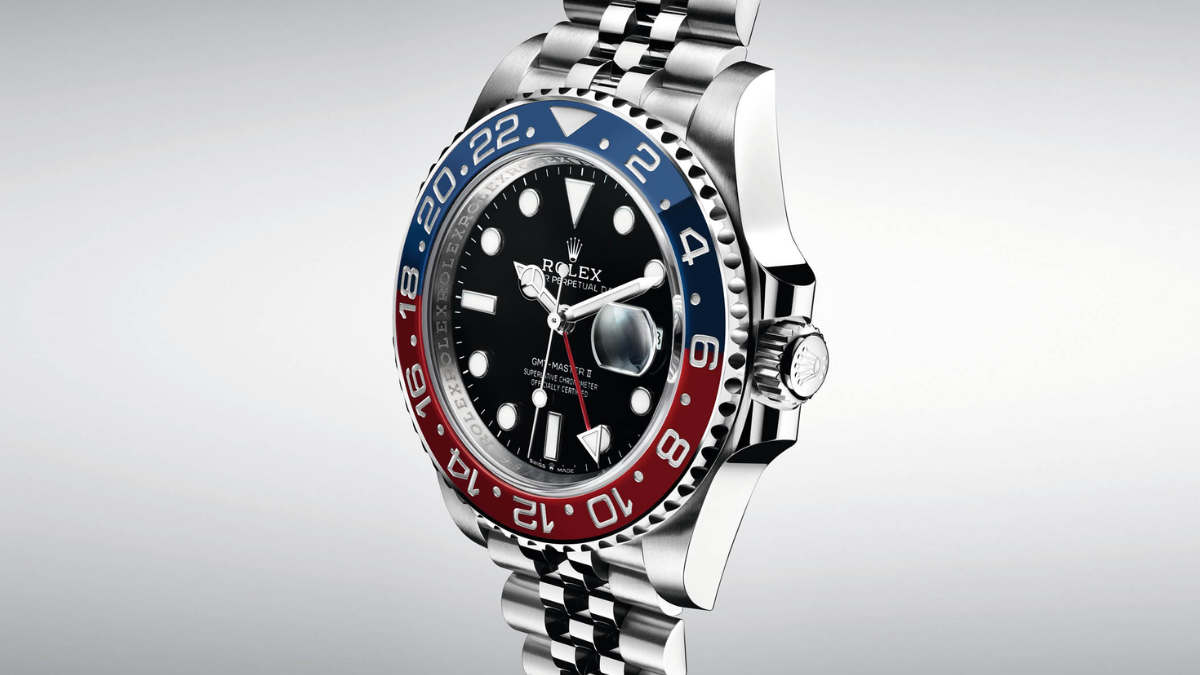
Rolex has remained silent on the official reasoning, but within the industry, the explanation is widely understood. The challenge lies in the bezel.
Creating a two-tone ceramic bezel in bright red and blue is extraordinarily difficult. Unlike darker combinations, these colours are unstable during the manufacturing process, often resulting in inconsistencies that fail Rolex’s strict quality standards. That means production is slower, more wasteful, and far less scalable.
In contrast, darker GMT bezel combinations are easier to produce with consistency. For a brand that thrives on precision and efficiency, Pepsi has always been an outlier, technically impressive, but operationally demanding.
Market Reaction
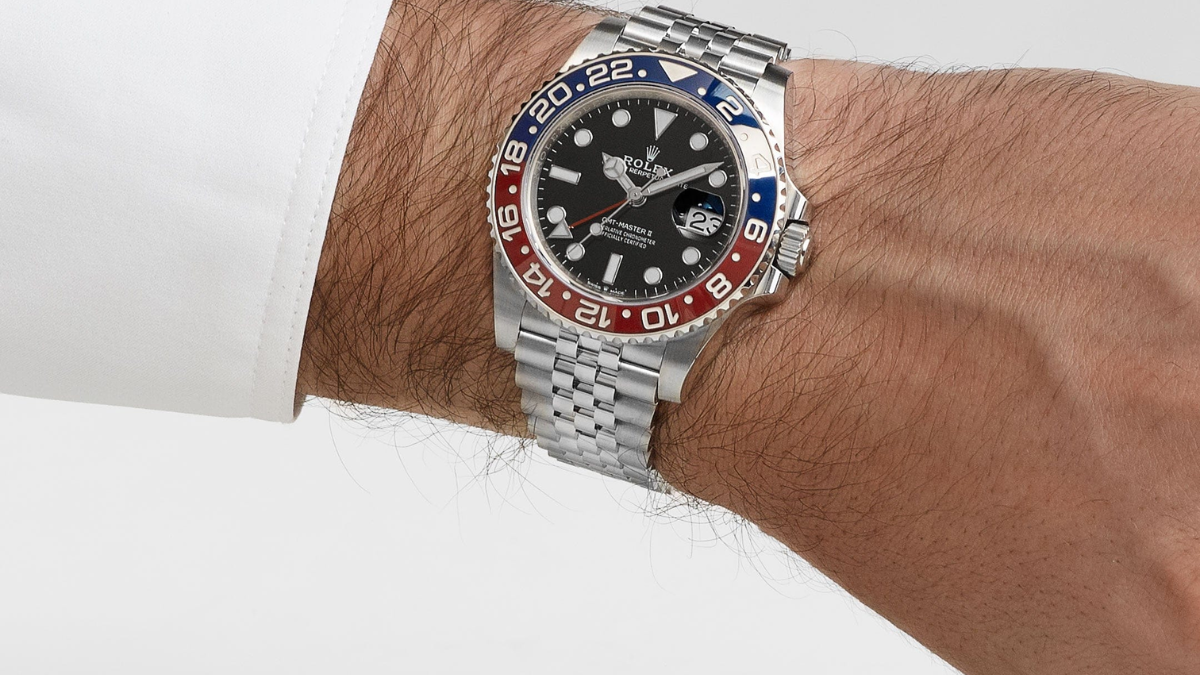
The moment the Rolex GMT-Master II Pepsi discontinued news broke, the market didn’t hesitate. Collectors moved fast. Dealers reacted even faster.
Prices began climbing almost instantly, with listings tightening across major resale platforms. What was already a difficult watch to obtain has now entered a different category altogether—no longer just scarce, but finite.
Some models are already being valued alongside heavyweights like the Rolex Daytona Panda, which has long been a benchmark for modern Rolex demand. And unlike gradual appreciation, this shift feels sharp, emotional, and momentum-driven.
For years, Pepsi was defined by its waitlist. Collectors placed their names with authorised dealers, often waiting years with no guarantee of allocation. That long anticipation was part of the experience, frustrating, but hopeful. Now, that hope is gone.
Those still waiting will never receive the call. The watch they were promised access to has quietly exited the stage, leaving the secondary market as the only path forward. And that path is becoming more expensive by the day.
This isn’t the first time Rolex has stepped away from the Pepsi, and that’s what makes this moment even more intriguing.
The model disappeared from the catalogue between 2007 and 2014, only to return stronger, more desirable, and nearly impossible to acquire. That absence didn’t weaken the Pepsi; it elevated it, which raises a compelling possibility.
This discontinuity may not be an ending, but a calculated pause. Rolex understands scarcity better than any brand in the industry. Removing a model at peak demand doesn’t diminish its value; it amplifies it.
With the Pepsi gone, the GMT-Master II collection shifts toward configurations that are easier to produce and maintain at scale.
There were strong expectations leading into Watches and Wonders 2026 that a red-and-black “Coke” variant might make a comeback, filling the gap left behind.
But Rolex chose not to replace the Pepsi, at least not yet. And that silence feels intentional.
The Investment Perspective
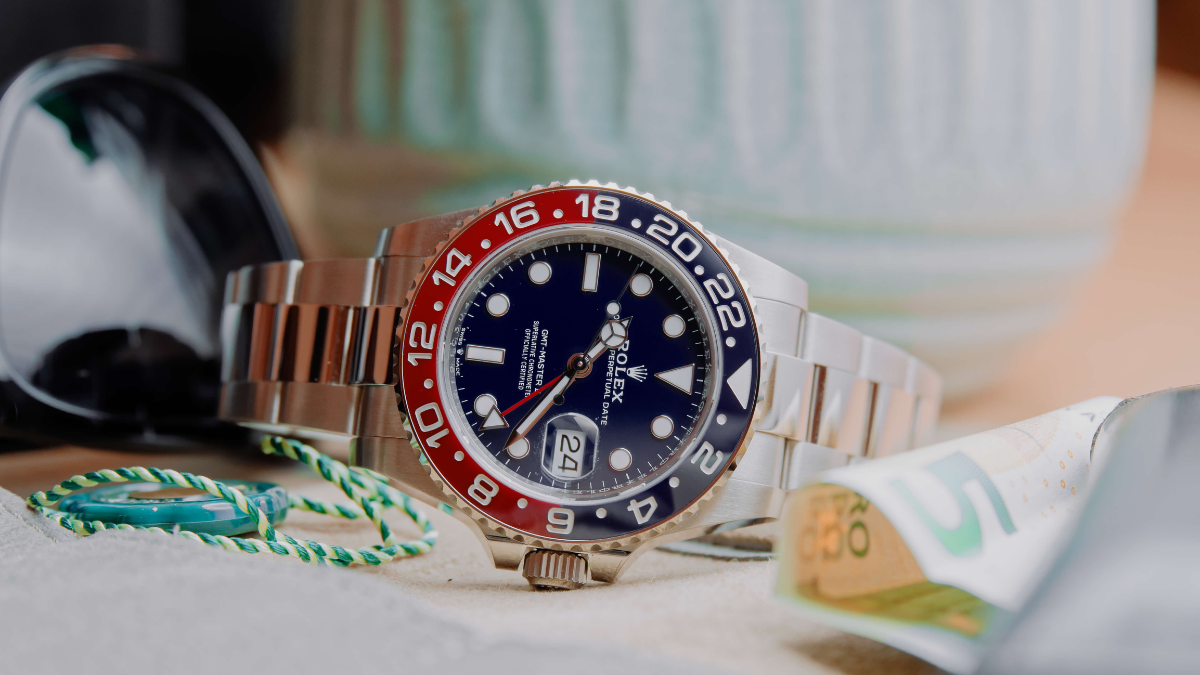
Moments like this don’t happen often. An iconic design, decades of heritage, sudden discontinuation, and already-limited supply, these factors rarely align so perfectly. When they do, the result is usually long-term upward pressure on value.
Pepsi has always had collector appeal, but now it carries something more powerful: finality, at least for this chapter. While short-term spikes are common, the real story tends to unfold slowly. Over time, pieces like this transition from popular to important. And that distinction changes everything.
Final Thoughts
The Rolex GMT-Master II Pepsi discontinued news is more than a headline; it’s a turning point. This was never just a watch. It was a cornerstone of modern Rolex collecting, a piece that connected generations of design and purpose.
Now, it exists only in the hands of those who already own it. And in the world of collecting, that kind of shift, from available to unattainable, is where legends are made.
Whether this is a temporary disappearance or a long-term exit remains to be seen. But one thing is already clear: Pepsi hasn’t lost relevance. It has just become rarer, more desired, and far more important than it was yesterday.