GMT Watches Guide: How They Work and Who Needs Them

GMT watches are not just luxury accessories anymore. They are practical, emotional, and surprisingly powerful tools for people who live across time zones. If you travel often, work with global teams, trade international markets, or simply love watches that actually do something useful, a GMT watch can quietly change how you experience time. In this guide, I will walk you through what GMT watches are, how they work, who really needs them, and whether they are worth your money.
What Is a GMT Watch?
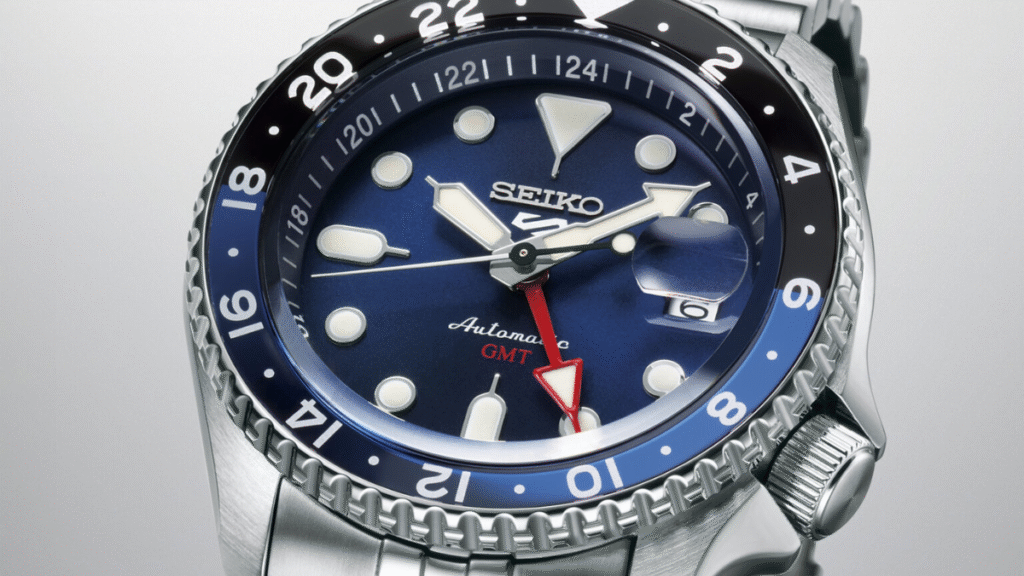
A GMT watch is a watch that shows you two time zones at the same time. Some GMT watches can even show three time zones if you know how to use them properly.
GMT stands for Greenwich Mean Time, the time standard historically used as the world’s reference point (now largely replaced by UTC, but the name GMT has stuck in watch culture). To learn more about how GMT watches evolved, check out the history of GMT watches.
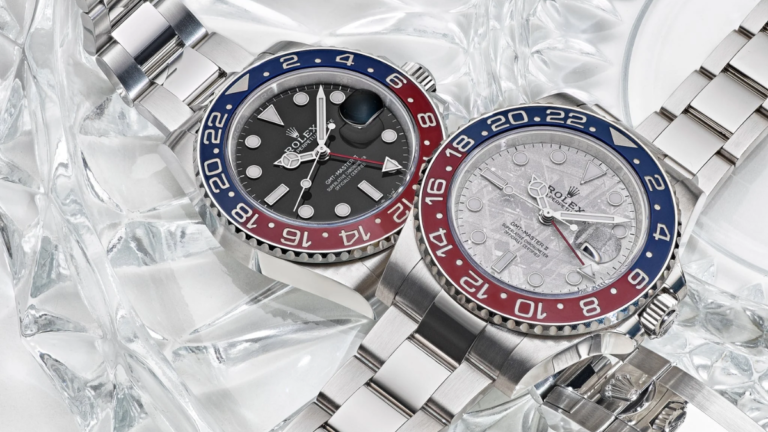
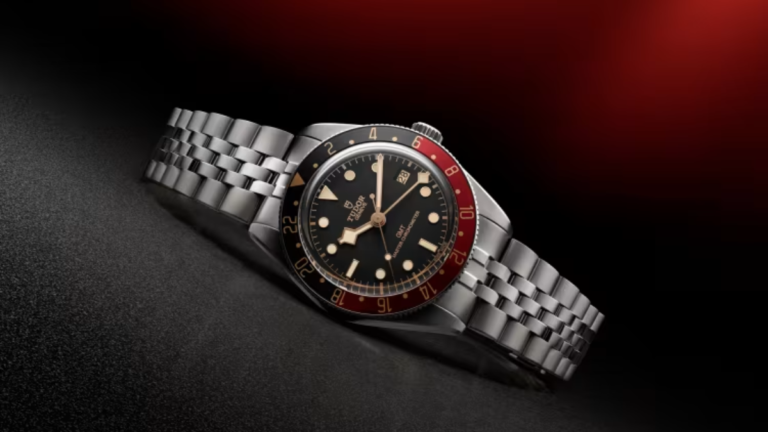
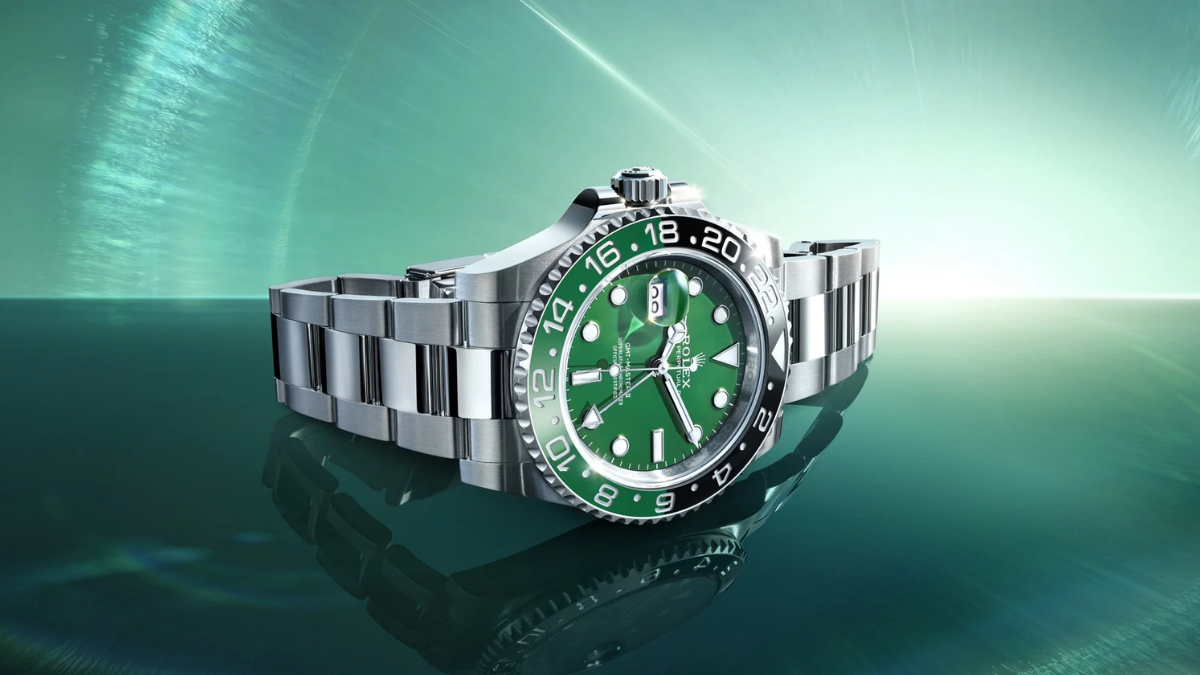
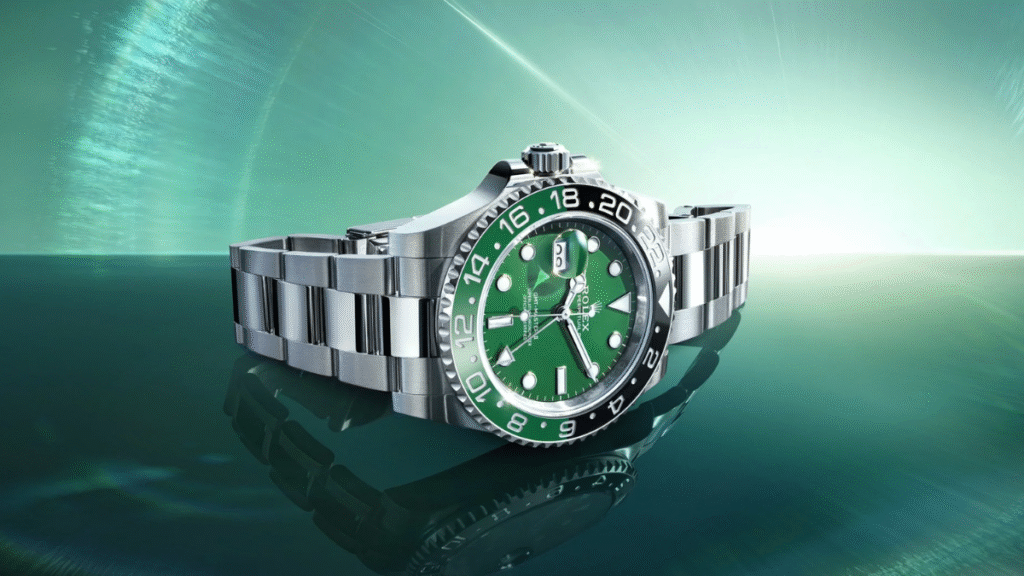
Your regular watch shows local time using the hour and minute hands. A GMT watch adds one more hand, usually called the GMT hand. This hand moves around the dial once every 24 hours instead of 12. It works together with a 24-hour scale on the dial or bezel to show a second time zone.
Think of it like this. Your normal watch tells you where you are right now. Your GMT hand tells you where someone else important to you is, like your office, your client, or your family back home.
Why GMT Watches Are Different from Regular Watches?
The biggest difference between GMT watches and standard watches is awareness. A regular watch keeps you on local time only. A GMT watch keeps you aware of another part of your life that runs on a different clock.
If you are a consultant flying between cities, a trader watching global markets, or a remote worker collaborating with teams overseas, a GMT watch becomes more than a tool. It becomes part of how you plan your day.
Instead of constantly checking your phone, doing mental math, or risking an awkward call at the wrong hour, you glance at your wrist. The answer is already there.
How Do GMT Watches Work?
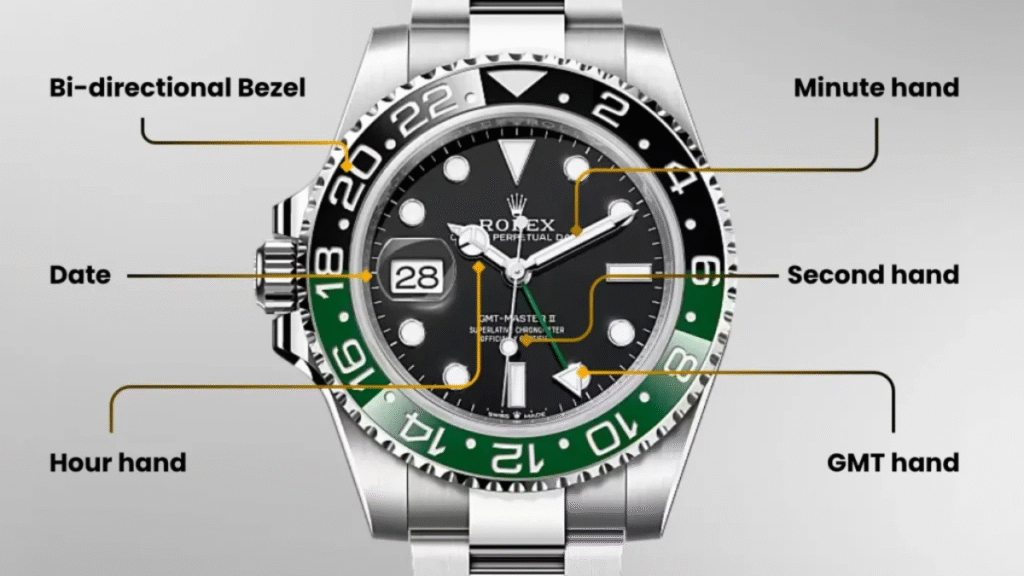
At first glance, a GMT watch looks like a normal analogue watch until you notice an extra hand on the dial.
This hand usually has a different colour or shape so you can spot it easily. Unlike the regular hour hand, the GMT hand moves once every 24 hours.
The watch also has a 24-hour scale, either printed on the dial or engraved on a rotating bezel. When the GMT hand points to a number on this scale, it tells you the time in your second time zone.
For example, if the GMT hand points to 14 on the scale, that means it is 2 PM in the second time zone. If you’re unsure how to interpret this properly, here’s a detailed guide on how to read a GMT watch.
Understanding the Rotating Bezel in GMT Watches
Some GMT watches come with a rotating bezel. This is where things get interesting. By rotating the bezel, you can offset the 24-hour scale and track an additional time zone.
This feature is especially useful for travellers who deal with multiple regions. With one watch, one bezel, and one glance, you can know what time it is in three different places.
How to Use a GMT Watch in Real Life
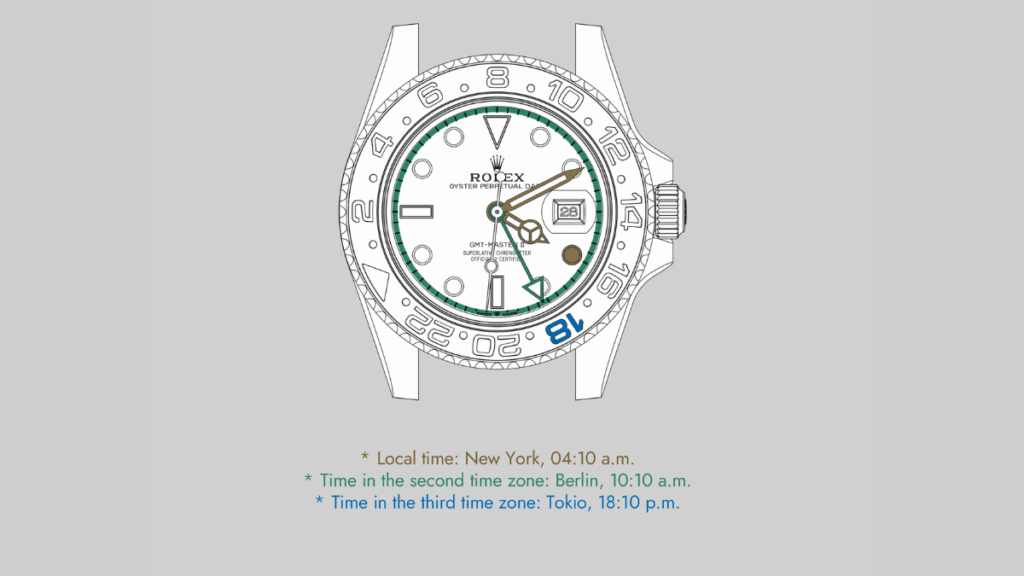
Using a GMT watch might look complicated at first, but once you do it a couple of times, it becomes second nature.
Set your local time: First, set your local time using the main hour and minute hands. Next, set the GMT hand to your second time zone using the 24-hour scale. If your watch has a rotating bezel, align it with the third time zone if needed. If you want a step-by-step walkthrough, check this guide on how to set a GMT watch.
Imagine you are flying from New York to London. Your local time changes, but your GMT hand stays locked to home time. You instantly know when it is appropriate to call your team or family.
Or imagine you are a trader tracking Asian markets while living in Europe. Your GMT watch keeps you synced without mental gymnastics. That’s why GMT watches are considered one of the best travel watches ever made.
Are GMT Watches Automatic or Quartz?
Most GMT watches are automatic, but not all. There are two types of GMT watch movements.
- Automatic GMT watches
- Quartz GMT watches
Automatic GMT Watches
Automatic GMT watches are powered by your wrist movement. No battery needed. These watches appeal strongly to watch enthusiasts and collectors because of the craftsmanship involved.
If you appreciate mechanical engineering and tradition, an automatic GMT watch feels alive. It has personality. It feels like wearing a small machine that works with you.
Quartz GMT Watches
Quartz GMT watches are battery-powered and extremely accurate. They are usually more affordable and require less maintenance.
For frequent travellers who value reliability and low hassle, quartz GMT watches make a lot of sense. You set it, wear it, and forget about it.
Which One Should You Choose?
If you love watches and enjoy the mechanical side, go automatic. If you want practicality and accuracy with minimal effort, go with Quartz. Neither is better. They simply serve different personalities and lifestyles. If you’re comparing different GMT types in more depth, read the difference between true GMT and office GMT.
Can a GMT Watch Track Three Time Zones?
Yes, a GMT watch can track three time zones if it has a rotating bezel. Your local time is shown by the main hands. Your second time zone is shown by the GMT hand. The third time zone is tracked by rotating the bezel to match the offset.
It sounds complex, but in practice, it is surprisingly simple. Tracking three time zones is useful if you work with multiple regions daily. Consultants, global managers, and frequent flyers often rely on this feature more than they realize.
Who Wears GMT Watches?
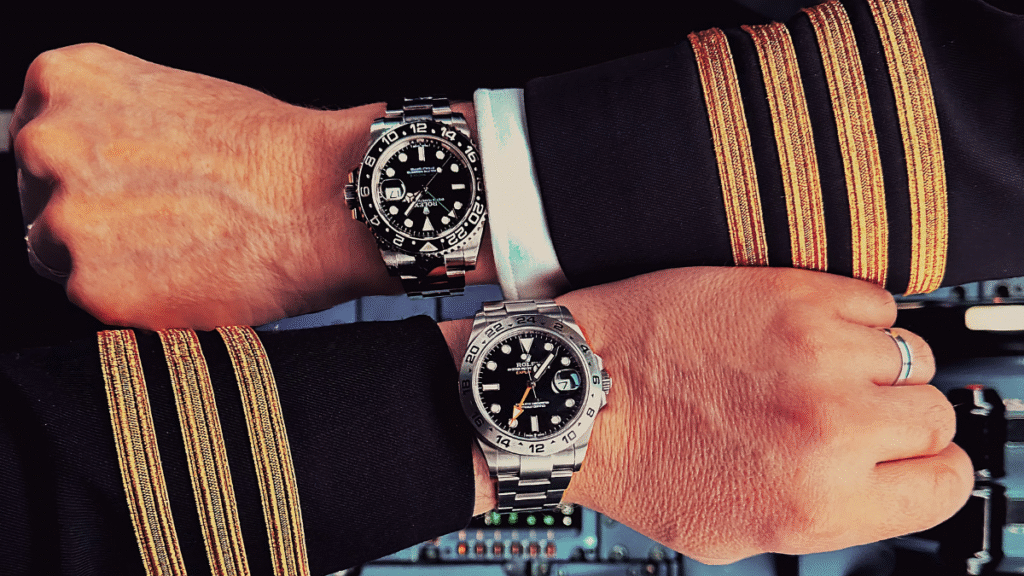
When most people hear the term GMT watches, the first image that pops into their head is a pilot sitting in a cockpit. That image made sense decades ago, but today it tells only a small part of the story. The truth is, GMT watches have quietly moved from aviation tools to everyday companions for a wide range of people. If you look closely at airports, coworking spaces, boardrooms, and even cafes, you will start noticing GMT watches everywhere.
Frequent Travellers and Digital Nomads
If you travel often, you already know how mentally exhausting time zones can be. One day you are in New York, the next in Dubai, then somewhere in Europe. Your body clock is confused, your calendar feels off, and your phone becomes your lifeline. This is where GMT watches really earn their place.
Frequent travellers wear GMT watches because they reduce mental load. Instead of constantly checking your phone or calculating time differences, you glance at your wrist. That second time zone is always there, steady and reliable.
For digital nomads who bounce between countries while working remotely, GMT watches create a sense of stability. They help you stay connected to your home base or your main clients without breaking your flow.
Business Professionals and Executives
Many professionals wear GMT watches not because they look impressive, but because they are practical. When you manage global teams or work across continents, knowing multiple time zones at a glance gives you confidence. It shows you are prepared, organised, and respectful of other people’s time.
Watch Enthusiasts and Collectors
For watch enthusiasts, GMT watches hold a special kind of appeal. They combine function with history. Some of the most iconic watches ever made are GMT watches, and collectors appreciate the mechanical complexity and heritage behind them.
Collectors also love GMT watches because they are actually useful. Unlike some complications that feel decorative, the GMT function solves a real-world problem. That combination of beauty and purpose makes GMT watches deeply satisfying to own and wear.
Are GMT Watches Worth It?
GMT watches often cost more than standard watches, especially mechanical ones. But the value is not just in the extra hand. It is in how often you actually use that feature.
If you travel once a year, a GMT watch might feel unnecessary. But if you travel often, work internationally, or communicate across time zones daily, the value adds up quickly. You stop relying on your phone. You stop making mistakes. You feel more in control.
A GMT watch is worth it if you travel across time zones multiple times a year, work with international clients or teams or value practical tools that improve daily life or appreciate watches that do more than just tell time.
If your life is mostly local and you rarely interact across time zones, a GMT watch may not be essential. It can still be enjoyable, but it might not feel indispensable.
Honesty matters here. Buy a GMT watch because it fits your life, not because someone told you it is a must-have.
If you are considering buying one, explore these curated lists:
Frequently Asked Questions
Do GMT watches work without travel?
Yes. Many people use the GMT hand to track office hours, family abroad, or market times.
Is a GMT watch hard to use?
Not at all. Once you set it, it becomes intuitive.
Are GMT watches accurate?
Very. Especially quartz models. Automatic models are also highly reliable when well-maintained.
Can I wear a GMT watch daily?
Absolutely. Many GMT watches are designed to be worn every day.
Do GMT watches hold value?
Some do, especially from respected brands. Utility and history help retention.
Conclusion
A GMT watch is more than a cool-looking extra hand. It’s a tool built for a global world. If your life touches more than one time zone, even occasionally, a GMT watch quietly improves your daily experience. It removes guesswork. It adds calm. It connects you to home while exploring the world.
If you have ever felt confused by time while travelling, working late with global teams, or managing international schedules, a GMT watch is not just nice to have. It makes sense.
Time is personal. Choose a watch that respects that.