Most GMT Watches Are Not Real GMTs — And Brands Hope You Never Notice

Why do some GMT watches cost thousands more than others, even though they all track two time zones? The answer lies in one small but powerful mechanical detail most brands barely explain.
If you’ve been researching GMT watches, you’ve likely come across terms like “True GMT,” “Traveller’s GMT,” “Office GMT,” or even “Caller GMT.” If those terms already feel confusing, start with this beginner-friendly breakdown on how to read a GMT watch to understand what each hand actually does.
Here’s the problem: watch brands often market all GMTs the same way, but not all GMT movements work the same way, and that difference dramatically affects usability, price, and who the watch is actually for.
This guide breaks it down in simple terms so you can confidently choose between a True GMT vs. a Fake GMT and understand how GMT watches differ from regular watches. If you want a full foundation first, this complete GMT watches guide explains everything from bezels to movements.
What Is a GMT Movement?
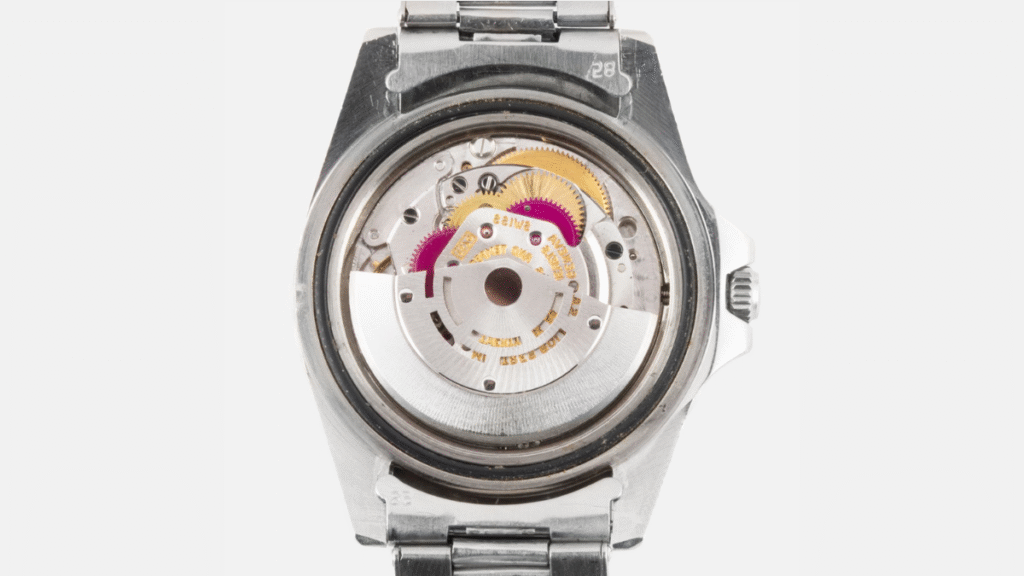
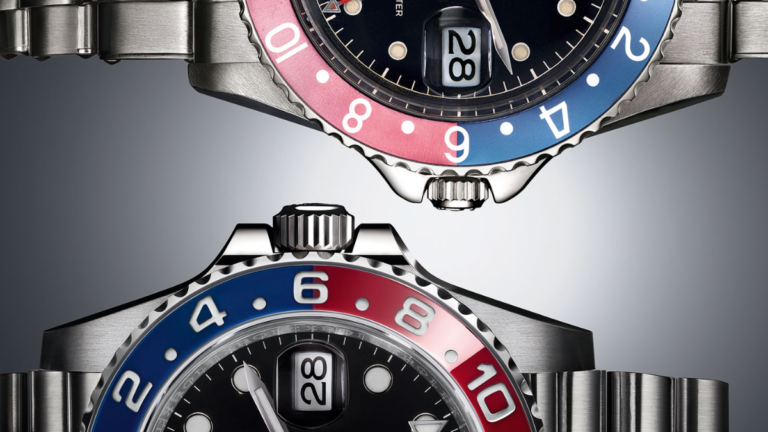
A GMT movement is a watch mechanism designed to track more than one time zone at the same time. At its core, it adds an extra hour hand that rotates once every 24 hours instead of 12. This hand works with a 24-hour scale, either on the dial or bezel.
Sounds simple, right? That is where most people stop learning. And that is exactly where confusion begins.
Here is the part no one explains clearly. Not all GMT movements work the same way internally. Two watches can look identical on the outside, but behave completely differently when you adjust the time. That difference is what separates a True GMT Movement from a Fake GMT.
Many brands market both under the same label, GMT. Retailers rarely explain it. Reviews often skip it. And buyers only realise the difference after living with the watch.
If you travel often, this difference matters more than brand, price, or even design. That is also why GMT watches are perfect for frequent travellers, but only if you choose the right movement type.
What Is a True GMT Movement?
A True GMT Movement, also known as a traveller’s GMT, is designed for people who physically move between time zones. This is the GMT movement professionals swear by. Here is how it works in real life.
When you pull the crown to the first position, you can jump the local hour hand forward or backwards in one-hour steps. The minute hand and GMT hand stay locked and accurate. That means when you land in a new country, you simply jump the local hour hand to match local time. No math. No stopping the watch. No messing up accuracy.
This is why pilots, consultants, traders, and frequent flyers prefer true GMT watches. Most iconic GMT models also come from brands with deep GMT heritage, which you can explore further in this history of GMT watches guide.
Key features of a true GMT movement:
- Independent jumping local hour hand
- GMT hand tracks home time continuously
- The watch keeps running while adjusting the time
- Designed for constant travel
When people talk about iconic GMT watches, this is what they usually mean, even if they do not say it clearly. If your lifestyle involves airports, time zone changes, or remote teams across continents, this is the real deal.
This is where True GMT Movement vs Fake GMT becomes more than a technical detail. It becomes a daily convenience or a daily frustration.
What Is a Fake GMT (Office GMT)?
Now, let us talk about the other side. The so-called fake GMT is often called an office GMT. Despite the nickname, a Fake GMT isn’t bad; it’s just built differently.
In an office GMT, the GMT hand is adjustable independently, not the local hour hand. To change local time, you must stop the watch and reset everything.
This design makes sense for people who stay in one time zone and only need to track another location occasionally. Many excellent and affordable models use this setup, including several options listed in the best GMT watches under $1,000.
For example, if you work in New York and your team is in London, an office GMT works fine. You set your local time once and adjust the GMT hand to track London.
But if you travel often, this becomes annoying fast. Every time you land somewhere new, you stop the watch. You reset the hour and minute hands. You re-align the GMT hand.
This is why many buyers feel disappointed after buying a GMT watch. They expected traveller functionality but got an office GMT instead.
True GMT vs Fake GMT
Let me simplify this with a clear comparison you can remember.
True GMT:
- The local hour hand jumps independently
- Designed for frequent travellers
- Faster time zone adjustment
- Usually found in higher-end or professional models
Fake GMT:
- GMT hand jumps independently
- Designed for office or desk use
- Requires a full reset when travelling
- Common in affordable GMT watches
Neither is wrong. The mistake is buying one when you actually need the other. Most frustration comes from misunderstanding, not from the watch itself. That is why many serious buyers eventually upgrade to models in the mid-range segment, such as those featured in the best GMT watches under $2,000.
GMT Watch vs Regular Watch
A regular watch tells you one time zone. That is it. No matter how well-made it is, it cannot track another location without mental math.
A GMT watch adds awareness. It lets you stay connected to home, work, or markets while living somewhere else.
But here is the twist. A GMT watch with a fake GMT movement behaves closer to a regular watch than most people realise, especially for travellers.
A true GMT changes the way you experience time zones. A fake GMT simply displays extra information.
If you never track multiple time zones, a GMT may be unnecessary. But for business calls, international family, or travel, it’s a game-changer. This distinction is subtle but powerful. And once you experience a true GMT, it is very hard to go back.
Why Watch Brands Rarely Explain True vs Fake GMT Clearly
This part surprises many people. The reason brands avoid explaining True GMT Movement vs Fake GMT clearly is simple. Marketing.
Office GMT movements are cheaper to produce. They allow brands to offer GMT-labelled watches at attractive prices. If brands explained the difference too clearly, many buyers would hesitate or demand traveller GMTs only.
Another reason is complexity. Explaining movement architecture takes time and space. Most product pages focus on design, heritage, and lifestyle imagery instead.
Retail staff often do not know the difference themselves. And online listings rarely mention it. So the responsibility falls on you, the buyer, to know what questions to ask.
How to Identify a True GMT Before Buying
Here is how you protect yourself before spending your money.
Read the Movement Name: First, read the movement description carefully. Look for phrases like independent jumping hour hand or traveller GMT.
Reviews: Second, search for real user reviews, not just specs. Travellers always mention this feature.
Ask the seller: Third, ask directly. Ask the seller which hand moves independently when adjusting the time.
Price: Fourth, be cautious with price. True GMT movements usually cost more due to complexity.
If a deal looks too good to be true, it often is. Understanding this one factor instantly puts you ahead of the vast majority of GMT buyers.
FAQs
Is a fake GMT movement bad?
No, fake GMT movement is not bad. It depends on your lifestyle. Office GMTs are great for stationary professionals.
Can a fake GMT track two time zones?
Yes, but it is less convenient for travellers.
Why are true GMT watches more expensive?
They use more complex movement architecture.
Do luxury brands sell fake GMTs?
Yes, price does not always guarantee a true GMT.
Which is better for beginners?
If you travel often, start with a true GMT. If not, an office GMT is fine.
Conclusion
Now you know the real difference between True GMT Movement vs Fake GMT. This knowledge alone can save you money, frustration, and regret.
Before buying any GMT watch, ask yourself one honest question. Do I actually travel across time zones, or do I just like the look of a GMT?
Now that you understand GMT movement types, you won’t fall for vague specs or overpay for the wrong watch.